
>> Continued From the Previous Page <<
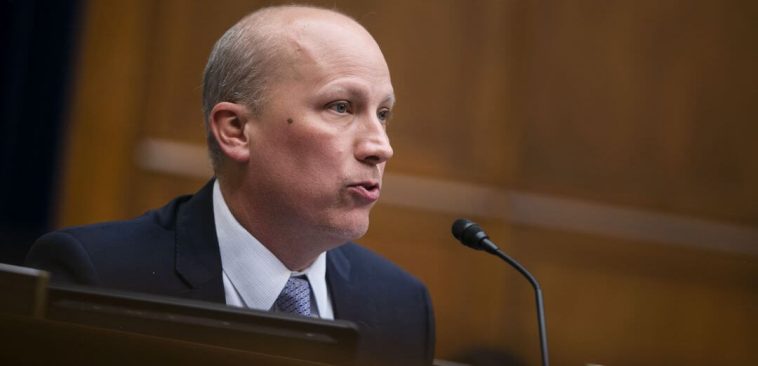
Amidst this backdrop, Rep. Roy’s resolution emerges as a potential lifeline for the Democrats, ironically from a Republican. He proposes using the 25th Amendment as a lever to argue that President Biden is incapable of performing his presidential duties. Critics of the move have described it as the “dumbest thing” and a significant political blunder that could alienate parts of the GOP base.
In a statement, Roy announced, “I intend to put forth a resolution calling upon the VP to immediately use her powers under section 4 of the 25th Amendment to convene & mobilize the principal officers of the Cabinet to declare the POTUS is unable to successfully discharge the duties and powers of his office.”

The resolution itself is a direct appeal:
“Calling on Vice President Kamala D. Harris to convene and mobilize the principal officers of the executive departments of the Cabinet to activate section 4 of the 25th Amendment to declare President Joseph R. Biden incapable of executing the duties of his office and to immediately exercise powers as Acting President.”
While the proposal aims at asserting Biden’s incapacity, it paradoxically might consolidate the Democratic response and even garner sympathy for Biden, potentially smoothing over cracks within their ranks at a vulnerable time.
The social media reaction was swift and divided. Previous criticisms of Rep. Roy resurfaced, particularly his endorsement of DeSantis, which had already positioned him at odds with other segments of the Republican Party. Former President Donald Trump had sharply criticized Roy’s endorsement, suggesting Roy was vulnerable in a primary challenge: “Has any smart and energetic Republican in the Great State of Texas decided to run in the Primary against RINO Congressman Chip Roy. For the right person, he is very beatable. If interested, let me know!!!”
Carry 46 rounds concealed? (comfortably)
This development adds a layer of intrigue to the ongoing political drama within the Republican Party, as it navigates internal divisions and external challenges leading up to the election. The outcome of Roy’s resolution and its impact on both the party dynamics and the upcoming election cycle remain to be seen, underscoring the unpredictable nature of political strategies in today’s turbulent times.

