
>> Continued From the Previous Page <<
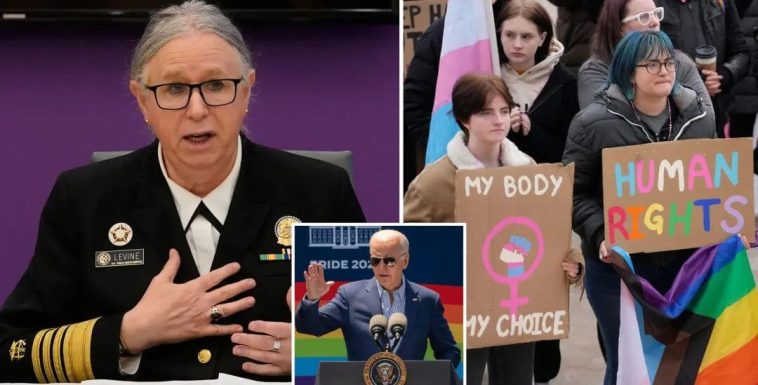
However, it appears that even setting a minimum age of 15 for girls to undergo mastectomies or requiring legal adulthood for genital alterations was too much for HHS Assistant Secretary Rachel Levine. Levine, a transgender woman, expressed concerns via email communications revealed in court filings by psychologist Dr. James Cantor. These communications were in support of a 2022 law signed by Alabama’s Republican Governor Kay Ivey, which bans transgender treatments for minors—a law currently challenged by civil rights groups including the National Center for Lesbian Rights and the Southern Poverty Law Center.
The emails suggest Levine urged the removal of age-specific guidelines, arguing that such restrictions could worsen the access to care for transgender youth and possibly adults in the U.S. This assertion reflects broader concerns about how representative government decisions align or conflict with public opinions, which are sharply divided on the issue.

Some WPATH members were skeptical of removing age limits, questioning the influence of politics over scientific and ethical considerations. The finalized WPATH standards omitted specific ages, opting instead for a more flexible approach to transgender care, allegedly to avoid one-size-fits-all health care models. However, this shift has raised questions about the transparency and motivations behind these decisions, especially as they seem to align with political pressures rather than medical best practices.
The frequently asked questions section of the WPATH document vaguely mentions the removal of specific age guidelines, attributing changes to a strengthened framework for meeting the medical needs of transgender adolescents at appropriate times. Yet, this explanation lacks direct acknowledgment of the political influence from the Biden administration, which played a significant role in shaping these guidelines.
This controversy mirrors other recent health policy debates, such as the origin of COVID-19 and the involvement of the American Federation of Teachers in CDC school reopening guidelines. These instances show a pattern of political influence on health policies that may not always align with public transparency or scientific integrity.
Carry 46 rounds concealed? (comfortably)
Dr. James Cantor’s statement captures the essence of the controversy: “What’s being told to the public is totally different from WPATH’s discussions in private.” This disparity highlights a growing concern among the public about the transparency and motivations of those shaping significant health policies. As the debate over transgender treatments continues, the implications of such political pressures are likely to provoke further scrutiny and division.

