
>> Continued From the Previous Page <<
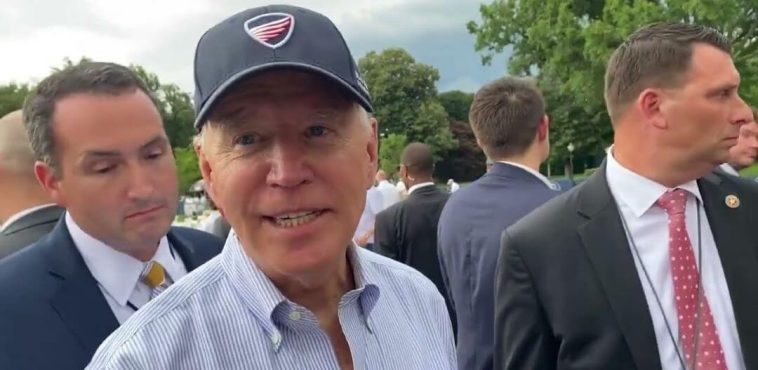
Further, when asked whether he considered not running for re-election due to his age, Biden firmly stated, “No, I didn’t.” He continued to defend his record and resilience by telling the interviewer, “Watch me. Look, name me a president that’s gotten as much done as I’ve gotten done in my first three and a half years. When all of you wrote in Time magazine I couldn’t get any of it done. When you told me there’s no pay, no way, no way he can get a trillion-plus dollar bill done in terms of, to deal with infrastructure, where there’s no way he gets $368 billion for dealing with the environment, where there’s no way I could get the, the, the legislation passed on.”
This encounter has not only ignited discussions on the relevance of a leader’s age but also on how leaders address criticism. Biden’s approach, perceived as aggressive by some, has been characterized by critics as an indication of possible cognitive decline, a claim often bolstered by his detractors.

The debate extends beyond just Biden’s fitness for office to a broader conversation about age and capability. This incident brings to light the challenges older politicians face, and how public perceptions can influence political discourse.
Get Your FREE Trump 2024 Election Shirt – We’re Shipping It Right to You!
Critics of the president are using this moment to highlight what they see as a pattern of combative behavior, often pointing to his previous confrontations with President Trump and others who have questioned his fitness for office. Supporters, however, view his responses as a necessary display of strength and conviction in the face of undue criticism.

As the nation watches, the questions around Biden’s age and his recent responses are likely to play a significant role in shaping his public image and the political landscape as he continues his presidency. This incident underscores the ongoing debate about age, health, and leadership capability in the highest echelons of political power.

