
>> Continued From the Previous Page <<
“National Special Security Events are events of the highest national significance,” explained Eric Ranaghan, the special agent in charge of the Secret Service’s Dignitary Protective Division, in a statement regarding the designation. He went on to emphasize the collaborative efforts involved, stating that “the U.S. Secret Service, in collaboration with our federal, state, and local partners, are committed to developing and implementing a comprehensive and integrated security plan to ensure the safety and security of this event and its participants.”
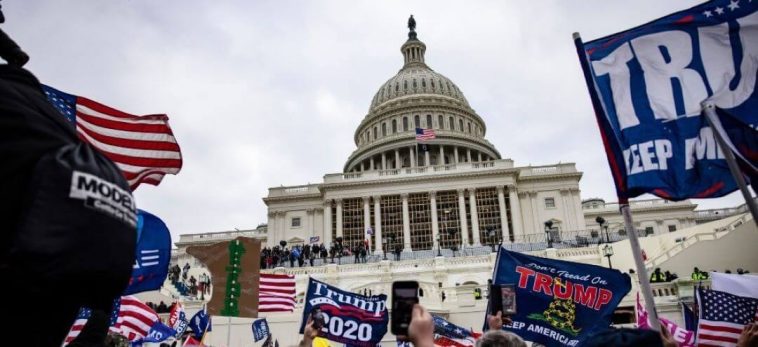
The heightened security designation comes amid rising concerns over potential protests and unrest. Many view the decision as a response to the chaotic scenes that unfolded during the January 6, 2021, Capitol riot, in which supporters of then-President Donald Trump sought to challenge the results of the 2020 election. The federal government’s move to classify the upcoming January 6 session as a national security event indicates a heightened awareness of the risks associated with this once-routine part of the democratic process.

This is the first time in U.S. history that the certification of a presidential vote has been treated as an NSSE, an event designation that is typically reserved for high-profile gatherings like the Super Bowl or the U.N. General Assembly. The decision, made by Homeland Security Secretary Alejandro Mayorkas, underscores the perceived risks surrounding the certification of the 2024 election results.
By authorizing these extensive security measures, the DHS aims to prevent any potential attempt to disrupt the certification process, similar to the violent riot that took place in 2021. Critics, however, are questioning whether this level of security is necessary and whether it risks criminalizing lawful demonstrations and protests. Some are warning that the Biden-Harris administration may be using security concerns as a pretext to stifle legitimate dissent.
Politico reported that this designation is not just about managing security logistics but is also an acknowledgment that what was once a routine part of the democratic process now carries a much greater sense of risk. The violent events of January 6, 2021, have forever altered the way that the U.S. government views these critical moments in its electoral process.
The announcement of the NSSE designation is already prompting strong reactions from both sides of the political spectrum. Supporters of the decision argue that the safety of elected officials and the peaceful transition of power must be prioritized at all costs. They point to the Capitol riot as a clear warning of what can happen when security is not adequately prepared for all eventualities.
On the other hand, critics argue that this move risks alienating voters and protesters alike by suggesting that any form of dissent might be treated as a potential threat to national security. Some have voiced concerns that the government is setting a dangerous precedent by equating electoral protests with national security risks, which could ultimately lead to a chilling effect on free speech.
As the date approaches, all eyes will be on Washington, D.C., to see how the situation unfolds. While security remains the government’s top priority, the question of how to balance public safety with the right to protest will be a contentious issue leading up to Inauguration Day. The Biden-Harris administration’s decision to treat the 2025 electoral vote tally as a national security event may be seen as necessary by some, but for others, it raises critical questions about the future of democracy and civil liberties in America.

