
>> Continued From the Previous Page <<
WATCH:
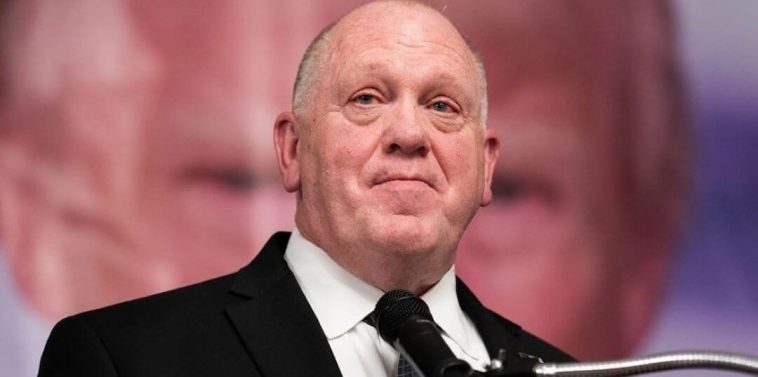
Homan’s fiery rhetoric was delivered during an interview with Sean Hannity, where he outlined former President Donald Trump’s commitment to eliminating these violent organizations. “It’s going to get worse, Sean, because President Trump is going to seal that border. He’s going to put the cartels out of business. He declared them a terrorist organization,” Homan stated.

This marks a major escalation in U.S. policy under Trump, who had previously signed an executive order to designate major cartels, such as the Sinaloa Cartel and the Jalisco New Generation Cartel, as Foreign Terrorist Organizations (FTOs). The order also targets notorious gangs like MS-13 and Venezuela’s Tren de Aragua, expanding the scope of the U.S. government’s fight against transnational crime.
Homan emphasized that the U.S. government’s efforts will not be limited to the border region but will extend globally. “We’ve got the whole of government working to dismantle these people and wipe them off the face of the earth,” he said. “They are not going to go lightly.”
He continued, “We are taking them on in the trafficking business, we’re taking them on in the smuggling business, and we’re taking them on in the dope business. There’s going to be more violence on the southwest border, that’s why Trump committed to calling them a terrorist organization.”
According to Homan, the plan is not just about enforcement at the border but aims to eradicate cartels operating in over 40 countries. “The Trump administration is going to take them on, just like he did the Caliphate, and we’re going to destroy them,” he said.
WATCH:
Monday’s firefight highlights the urgent need for action as cartels become increasingly emboldened. With cartels leveraging advanced weaponry, controlling trafficking routes, and profiting off human smuggling, the situation along the southern border has reached a boiling point.
Just Released: Trump White House Collector’s Bobblehead!
Homan’s aggressive stance is expected to resonate with conservatives who have long supported Trump’s tough policies on immigration and border security. Critics, however, may question the feasibility and potential consequences of such sweeping measures, particularly the designation of cartels as terrorist organizations, which could complicate international relations.
Regardless of the debate, Homan’s message is clear: the United States is no longer content to play defense against these ruthless organizations. Instead, it is gearing up for an offensive that spans not only the border but the globe.
As violence at the border intensifies, Homan’s pledge signals a significant shift in the U.S. strategy to protect its sovereignty, secure its borders, and dismantle the cartels that have long plagued the region. The question now is whether the political will and resources will align to achieve this ambitious goal.

