
>> Continued From the Previous Page <<
Harris, thrust into the Democratic nomination after President Joe Biden dropped out of the race in July due to growing concerns over his cognitive health, is weighing three potential paths forward. She could retire from electoral politics and serve as a party elder, launch a gubernatorial bid in California in 2026, or attempt a political comeback with a third run for the presidency in 2028.
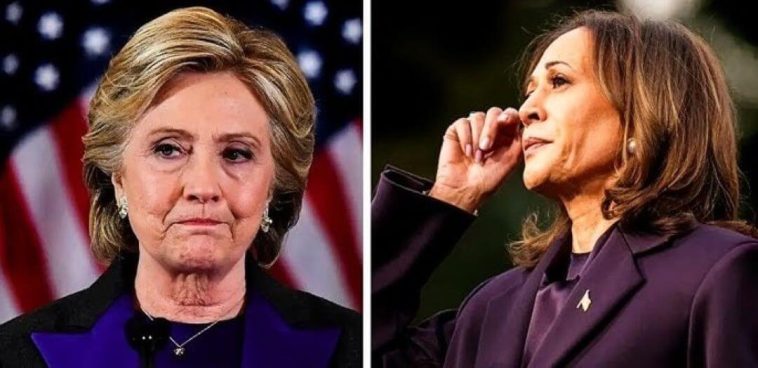
To help navigate these options, Harris reached out to Hillary Clinton, who famously wrestled with her own political future after losing to Donald Trump in 2016.

“In her final weeks as VP, as Harris heard unsolicited advice from donors, she reached out to some carefully selected allies to hear their thoughts, too. Among them was Hillary Clinton, the other would-be first woman president who lost to Trump and who also famously wrestled with how to manage life after her campaign,” New York Magazine reported.
Hillary Clinton’s post-2016 journey offers lessons—and warnings—for Kamala Harris. Clinton, after her loss to Trump, dropped hints about a potential comeback, keeping herself in the political conversation by endorsing candidates, raising money, and making high-profile media appearances. Many speculated that she was positioning herself for another presidential run, but those ambitions were ultimately derailed by Democrats’ stronger-than-expected performance in the 2022 midterms, which solidified Biden’s hold on the party.
For Harris, Clinton’s experience underscores the challenges of maintaining relevance without becoming a lightning rod for party divisions.
Kamala Harris’s nomination was controversial from the start, with many Democrats expressing doubts about her electability. When Joe Biden exited the race, influential figures like Barack Obama and Nancy Pelosi publicly supported an open primary process, signaling their reservations about Harris as the nominee. Their concerns were validated when Donald Trump defeated Harris in a landslide.
Even now, Democrats have largely refrained from openly criticizing Harris, fearing backlash from their most loyal voting bloc: Black women. However, this reluctance to address Harris’s shortcomings could lead to deeper fractures within the party.
Just Released: Trump White House Collector’s Bobblehead!
Kamala Harris’s political future remains a contentious topic. If she decides to run for president again in 2028, it could set the stage for a bitter and divisive Democratic primary. Her potential candidacy would likely reignite debates about her leadership abilities and her capacity to win a general election—conversations the party has been reluctant to have openly.
For now, Harris faces the daunting task of rebuilding her political career while navigating a party that is unsure of how to move forward. Her consultation with Hillary Clinton may offer some insight, but it’s clear that the road ahead will not be an easy one.
With Democrats still reeling from her loss and Trump’s resurgence as a political force, Kamala Harris’s next move will be closely watched—not just by her allies, but by her critics and political adversaries as well.

