
>> Continued From the Previous Page <<
Her disappointment was compounded by the timing of Biden’s announcement, which portrayed the pardoned individuals as victims of politically motivated attacks. In his statement, Biden described them as public servants who “served our nation with honor and distinction and do not deserve to be the targets of unjustified and politically motivated prosecutions.”
A History of Controversy
The Vindman family is no stranger to public spats and divisive rhetoric. Rachel Vindman has made headlines in the past for her incendiary remarks on social media, often targeting conservative figures. Last year, following a second failed assassination attempt on former President Trump in Florida, she posted a comment that drew widespread condemnation from Trump supporters. “No ears were harmed,” she wrote mockingly. “Carry on with your Sunday afternoon.”

Critics argue that her inflammatory rhetoric and the family’s alignment with liberal causes have made them a lightning rod for controversy, a reputation that may have played a role in the lack of a pardon.
Vindman’s Legacy in Question
The Biden administration’s decision to exclude Alexander Vindman from its list of pardons has reignited debates about his legacy. Vindman was celebrated by Democrats during the impeachment trial for his testimony against Trump, but he has faced persistent criticism from conservatives who accuse him of being politically motivated. His retirement was seen by many as an attempt to escape the public eye, but his wife’s outspoken online presence has kept the family in the spotlight.
Some view the exclusion as a deliberate decision by Biden to distance his administration from figures who might be seen as controversial, even within their own political base. Others argue it reflects a broader trend of selective pardons meant to reward allies while ignoring those who no longer serve a political purpose.
Just Released: Trump White House Collector’s Bobblehead!
A Symbol of Political Division
The Vindmans’ story is emblematic of the deep political divides in the United States. While one side views them as brave whistleblowers who stood up to a president they believed had abused his power, others see them as opportunists who sought to undermine a duly elected leader for personal gain.
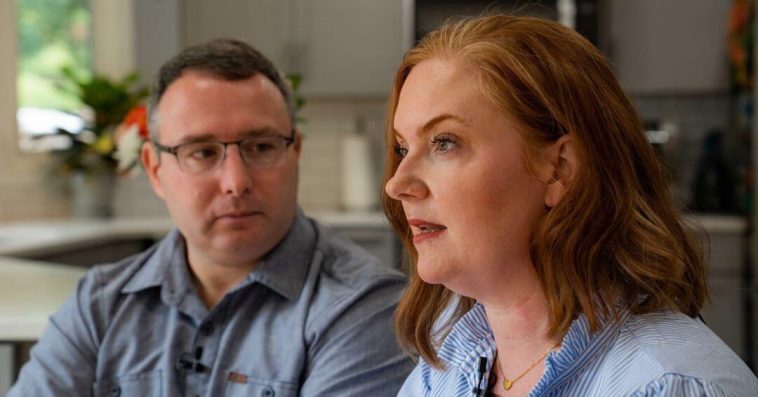
For Rachel Vindman, however, the issue appears to be personal. Her heartfelt statement highlights the emotional toll that public life and political maneuvering can take on a family. Yet for critics, her outrage over the lack of a pardon is merely the latest chapter in a saga of perceived entitlement and self-righteousness.
As the nation watches this drama unfold, one thing is clear: the Vindmans remain as polarizing as ever, with no signs of fading into the background anytime soon.

