
>> Continued From the Previous Page <<
General Mark Milley’s tenure as Chairman of the Joint Chiefs of Staff was equally contentious. Under his watch, the U.S. endured what many consider the greatest foreign policy disaster in modern history – the botched withdrawal from Afghanistan. Milley further enraged conservatives by prioritizing “woke” policies over military readiness, with reports suggesting he even communicated with Chinese officials to warn them of potential U.S. actions.
Then there’s Liz Cheney, once a rising star of the Republican Party, who fell from grace after her role in the January 6 Select Committee. Cheney, now under investigation herself, has been accused of lying about President Trump’s actions during the Capitol unrest, further deepening partisan divides.

The Pardon Statement: A Defense of Controversy
Biden justified his pardons with a lengthy statement praising the individuals for their service and condemning what he described as “politically motivated prosecutions.” In his statement, Biden claimed:
“These public servants have served our nation with honor and distinction and do not deserve to be the targets of unjustified and politically motivated prosecutions.”
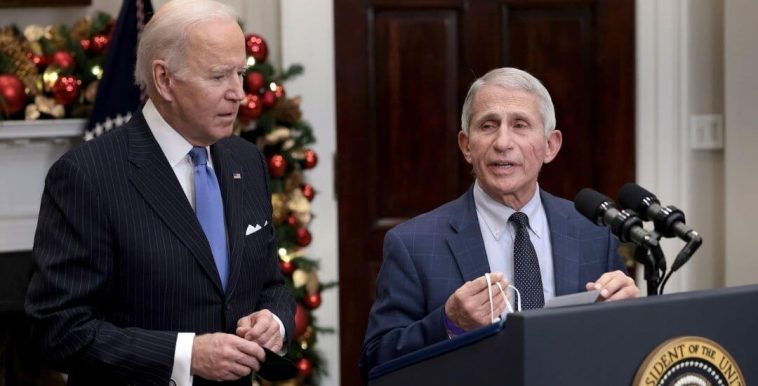
The president’s remarks painted Fauci as a hero who saved lives during multiple public health crises, Milley as a seasoned defender of democracy, and the January 6 Select Committee as a bastion of integrity that fulfilled its mission to uncover the truth about the Capitol attack.
Backlash From Conservatives
The reaction was swift and unforgiving. Republicans and conservative commentators denounced the pardons as a blatant attempt to shield Democratic allies from accountability. Many noted that these figures are far from the selfless public servants Biden described.

“Tony Fauci’s policies wrecked lives, businesses, and economies,” one critic argued, while others labeled Milley’s actions as outright treason. Cheney’s role in advancing the Democrat-led January 6 narrative was also heavily criticized, with some calling her the epitome of partisan hypocrisy.
The timing of the pardons has raised eyebrows, especially given Politico’s earlier report suggesting Biden’s administration feared retribution from a potential Trump presidency. The report highlighted growing concerns within Democratic circles over the possible investigations targeting figures like Fauci, Milley, and Cheney under Trump’s next administration.
Just Released: Trump White House Collector’s Bobblehead!
Pardons or Preemptive Protection?
Biden’s move is being interpreted as a strategic shield for the Democratic elite. By issuing these pardons, Biden has effectively labeled the potential investigations against these individuals as baseless and politically charged.
But critics argue the opposite – that these pardons confirm the guilt of the individuals involved. “Why issue a pardon if there’s no wrongdoing?” one Republican strategist asked. “This isn’t about justice; it’s about protecting the Democrat machine.”
A Defiant Farewell
Biden’s final act as president may prove to be one of the most divisive in recent memory. By pardoning Fauci, Milley, and the J6 Select Committee, Biden has drawn a line in the sand, daring conservatives to challenge his narrative.
For many Americans, this act isn’t about justice or fairness – it’s about cementing a legacy of partisan protection and defiance against accountability. With Trump’s potential return looming, the political battle over these figures is far from over.


Well I Guess Since Biden Didn’t Pardon Himself Maybe It’s Time For Mr.Biden Take The Fall For Them All, He Is The One Behind It All So He Is As Responsible as they are