
>> Continued From the Previous Page <<
The final vote, as reported by The Hill, was “49 to 50 against a five-year term for McFerran, the NLRB’s chair, with Sens. Kyrsten Sinema and Joe Manchin voting with almost every Senate Republican to block it.”
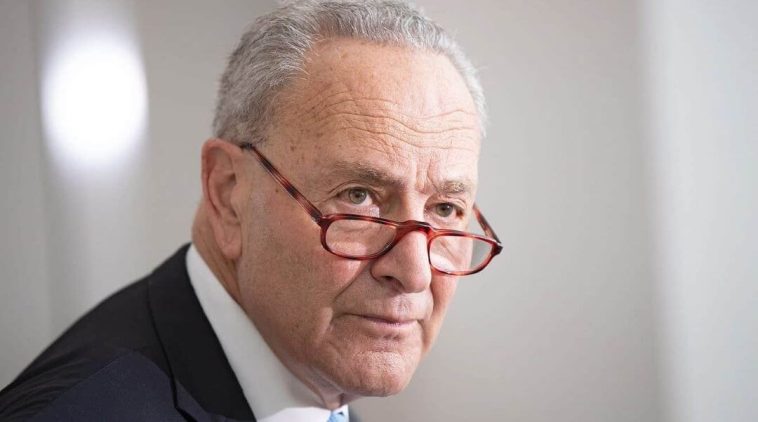
Schumer didn’t hold back his frustration over the failed confirmation, calling it a “direct attack on working people.” He stated, “It is deeply disappointing, a direct attack on working people, and incredibly troubling that this highly qualified nominee — with a proven track record of protecting worker rights — did not have the votes.”

For Manchin, the decision came down to policy. The West Virginia senator opposed McFerran because of her support for a controversial joint employer rule. The proposed regulation, as outlined by The Wall Street Journal, “would make it easier for workers to say they are employed by two employers at once, a move that could open the door to employee claims against businesses that rely on franchisees, contractors, or staffing firms.”
This rule would have paved the way for Big Labor to draw more workers into unions, boosting their coffers through mandatory dues — money that often funnels directly into Democrat campaigns. For Manchin, this was a step too far.
The defeat of McFerran’s nomination showcased the growing independence of Sinema and Manchin, both of whom have distanced themselves from the Democratic Party in recent years. After facing relentless pressure from the progressive wing of the party, both senators switched their registration to Independent.

Their defiance has not gone unnoticed. Progressive Democrats have long criticized Sinema and Manchin for refusing to support key party goals like eliminating the filibuster, packing the Supreme Court, granting amnesty to millions of illegal immigrants, and adding new states like Washington, D.C., and Puerto Rico. These initiatives, they argued, would solidify Democrat dominance in national politics.
Gold at $2,600… But This Stock Gives You More for Under $20
Manchin and Sinema’s final act of rebellion underscored their lack of allegiance to the Democratic Party or Schumer’s agenda. Both senators chose to retire rather than seek re-election, effectively freeing them from party constraints. By voting against McFerran, they sent a clear message: they owe nothing to the party that once backed them.
This defeat serves as a striking end to Schumer’s leadership, highlighting the divisions within the Democratic caucus and leaving the party to grapple with the consequences of a fractured coalition. As Schumer exits the stage, his legacy is marked not by unity, but by a stinging loss that could shape the political landscape for years to come.

