

>> Continued From the Previous Page <<
Balaji’s career at OpenAI began in 2022, where he worked as a researcher, eventually contributing to the development of ChatGPT. While the promise of advancing AI initially drew him in, he soon found himself deeply troubled by what he saw as blatant violations of U.S. copyright law by the company’s generative AI applications.
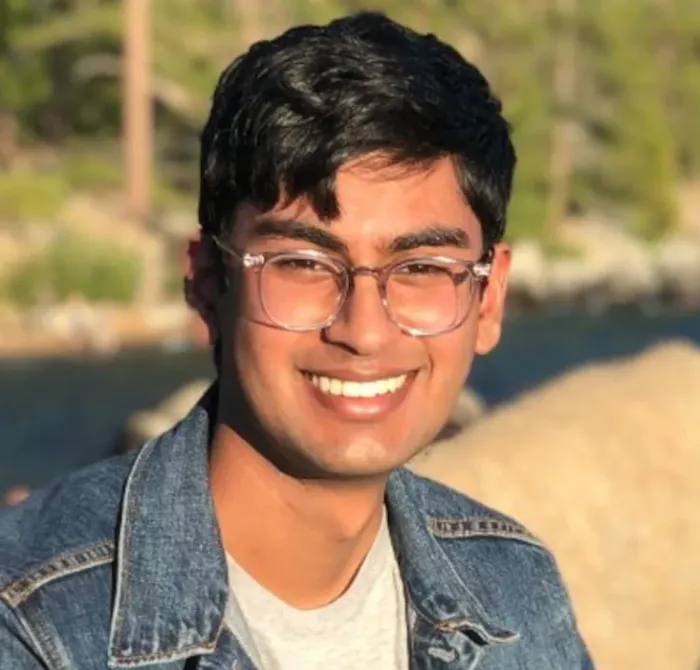
Earlier this year, Balaji went public with his concerns, accusing OpenAI of overstepping the boundaries of fair use to train its AI models. He was featured in a New York Times exposé, highlighting his claims that ChatGPT’s capabilities often crossed ethical and legal lines.

“I initially didn’t know much about copyright, fair use, etc., but became curious after seeing all the lawsuits filed against GenAI companies,” Balaji shared in a post on X (formerly Twitter) back in October. His growing expertise led him to a damning conclusion: “Fair use seems like a pretty implausible defense for a lot of generative AI products, for the basic reason that they can create substitutes that compete with the data they’re trained on.”
This public criticism placed Balaji at odds with OpenAI and its partner Microsoft, both of which are embroiled in high-profile lawsuits accusing them of copyright violations. On November 18, court filings from the New York Times identified Balaji as an individual with “unique and relevant documents” that could be pivotal in ongoing legal battles.
Balaji’s outspoken nature came with a heavy cost. As a whistleblower, he faced significant pressure, both professionally and personally, in the months leading up to his death. His candid social media posts revealed a growing frustration with the industry’s lack of accountability.

“I was at OpenAI for nearly four years and worked on ChatGPT for the last 1.5 of them,” he wrote in the same October post. His efforts to shed light on AI’s potential to harm content creators and artists were not without risk, as they exposed him to legal scrutiny and corporate pushback.
The timing of Balaji’s death is chilling. Just days before he passed, his name surfaced in connection with a federal lawsuit, signaling that his whistleblower testimony could have significant legal implications. Balaji’s revelations had already added fuel to the debate surrounding Big Tech’s ethics and the unchecked power of generative AI.
While OpenAI expressed its condolences, critics argue that the tech giant must do more than offer platitudes. Balaji’s death raises uncomfortable questions about the mental health impact on individuals who challenge powerful corporations. It also reignites debates about the ethical responsibilities of companies developing AI that can reshape entire industries.
What are the best concealed carry holsters for ultimate security?
As Microsoft and OpenAI continue to face mounting legal challenges, Balaji’s warnings about fair use and copyright law remain hauntingly relevant. His tragic passing serves as a stark reminder of the human cost in the high-stakes world of AI development.
The tech industry has lost a brilliant yet conflicted voice. Whether Balaji’s legacy will bring about meaningful change in how Big Tech approaches AI ethics remains uncertain. For now, his death is a sobering moment for an industry hurtling toward the future, often without stopping to consider the consequences.

