
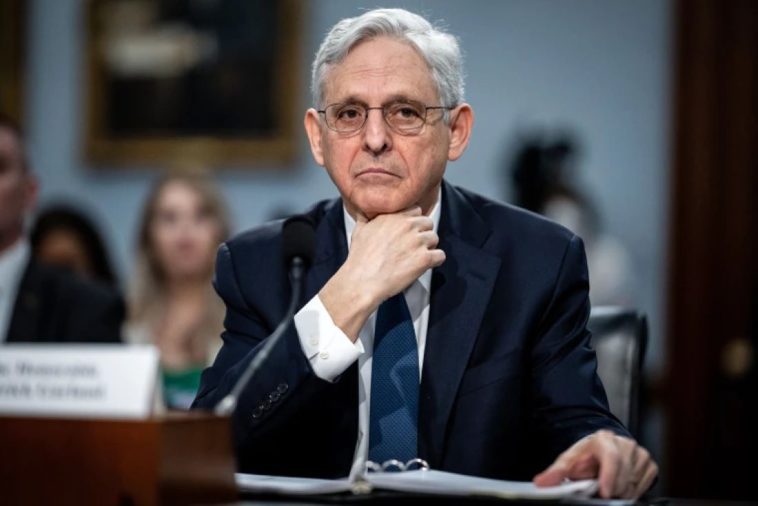
Despite these controversies, the Justice Department maintains that Garland’s actions did not breach legal boundaries. The DOJ stated on Friday that “his refusal to turn over audio of President Joe Biden’s interview in his classified documents case ‘did not constitute a crime,'” according to the Associated Press.
In a letter to House Speaker Mike Johnson, a Justice Department official underscored the department’s long-standing policy of not prosecuting officials who defy subpoenas due to a presidential claim of executive privilege. This rationale, however, has done little to quell the debates and criticisms from Congressional members and the public regarding the transparency and accountability of high-ranking officials.
Reveal the Biblical Wealth Protection Secret—Take Action Now to Secure Your Money!

This decision by the DOJ not to prosecute Garland marks a significant moment in the ongoing tussle between the executive branch and Congress over access to sensitive materials. The refusal sets a precedent about the limits of congressional power to enforce its subpoenas, especially when pitted against claims of executive privilege, and continues to fuel discussions about the balance of power within the U.S. government.

