
>> Continued From the Previous Page <<
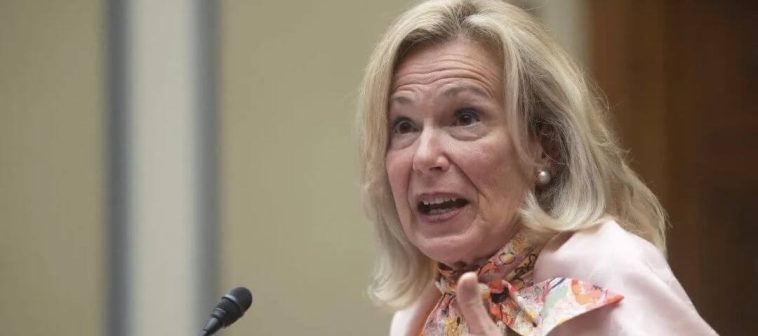
Dr. Birx emphasized the capabilities of American innovation in supporting her proposal: “We have the technology. The great thing about America is we’re incredibly innovative, and we have the ability to have these breakthroughs. We could be pool testing every dairy worker. I do believe that there’s undetected cases in humans because we’re once again only tracking people with symptoms,” she elaborated.
WATCH:

This initiative, however, has reignited debates about the use of PCR tests, which were a cornerstone of COVID-19 diagnostics. Critics argue that the high sensitivity of these tests often results in false positives, potentially inflating case numbers and leading to undue alarm and restrictive policies.
Rep. Thomas Massie expressed skepticism about the necessity and feasibility of such extensive testing. “Birx says this strain of bird flu is so dangerous that nobody knows they have it unless they get a PCR test. Also, she proposes testing every cow in the United States, because we can’t tell they have it either. How about if the govt quits making viruses?,” Massie commented, questioning the government’s role in virus surveillance and response.
The memory of Dr. Birx’s role in influencing the U.S. response to the COVID-19 pandemic alongside Dr. Anthony Fauci is still fresh for many. The use of the Imperial College Model, which predicted severe outcomes without substantial intervention, led to widespread lockdowns. Critics later denounced this model as flawed and misleading.

Get Your FREE Trump 2024 Election Shirt – We’re Shipping It Right to You!
Dr. Birx and Dr. Fauci’s recommendations based on the Imperial College Model, according to critiques, were instrumental in convincing former President Trump to undertake drastic economic closures. These actions, as reported, led to profound economic and social distress, impacting millions of lives across the nation.
Further controversy surrounds Dr. Birx following her admissions in media interviews about the limitations of COVID-19 vaccines and the potential adverse effects on thousands of Americans. In a telling interview with Neil Cavuto, Birx admitted her prior knowledge that the vaccines “were not going to protect against infection,” yet continued to advocate for their widespread use.
As the nation grapples with the implications of this new proposal for the dairy industry, questions abound about the balance between public health vigilance and the preservation of economic stability and personal freedoms. With Dr. Birx’s history and the ongoing debate over pandemic handling, her latest suggestion is poised to spark intense discussion and scrutiny.

