
>> Continued From the Previous Page <<
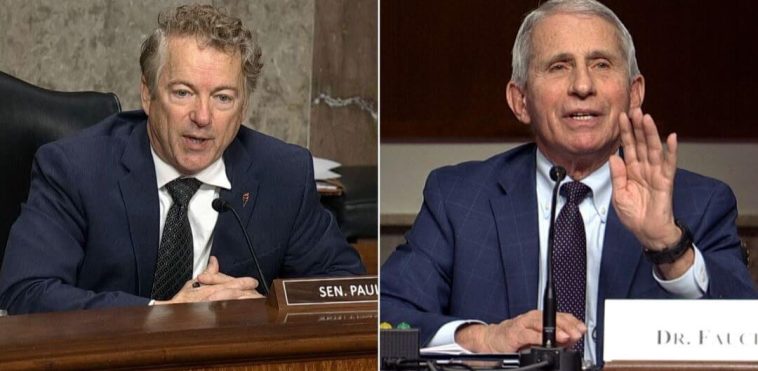
For Paul and his allies, those documents paint a picture of a government scientist whose influence extended far beyond traditional public health responsibilities.
Critics of Fauci argue that those relationships became especially significant when COVID-19 first appeared in late 2019 and early 2020.

One of the key events highlighted in the senator’s timeline involves communications from scientist Kristian Andersen, who reportedly raised concerns to Fauci regarding unusual features of SARS-CoV-2. Those concerns became central to the debate over whether the virus emerged naturally or resulted from a laboratory-related incident.
In the weeks that followed, a group of prominent scientists published the influential “Proximal Origin” paper in Nature Medicine. The publication argued that available evidence did not support the conclusion that the virus was intentionally engineered.
The paper became one of the most frequently cited scientific documents during the pandemic and played a major role in shaping public discussion about COVID-19’s origins.
However, critics have long questioned the development of that paper and the involvement of federal health officials in discussions leading up to its publication.
Paul’s latest release revives those concerns by pointing to communications between Fauci and researchers connected to the project. Supporters of the senator argue the documents raise legitimate questions about whether alternative theories received fair consideration during the early stages of the pandemic.
The controversy intensified further following testimony from former CIA whistleblower James Erdman III. During recent congressional proceedings, Erdman alleged that intelligence analysts reached conclusions favoring a laboratory-related origin on multiple occasions before those views were allegedly excluded from official assessments.
Those claims remain heavily disputed, but they have become a focal point for lawmakers demanding greater transparency from intelligence agencies and public health institutions.
Paul referenced that testimony while calling for additional oversight and document disclosures.
At a recent hearing, the senator declared, “Government secrecy cannot become government impunity.”
The timing of former President Joe Biden’s pardon of Fauci has also become a major source of political debate. The pardon, issued during the final days of Biden’s presidency, immediately drew criticism from Republicans who argued it would only intensify public suspicion.
Supporters of the move counter that Fauci became the target of years of politically motivated attacks and that the pardon was intended to protect him from what they viewed as partisan legal efforts.
Nevertheless, Paul’s allies insist the growing body of testimony and documentation warrants additional investigation.
The senator has promised that more information will emerge through upcoming committee interviews and continued oversight efforts. Republicans argue that Americans deserve a complete accounting of how decisions were made during the pandemic, particularly regarding the origins debate and the government’s response.
For millions of Americans who endured lockdowns, economic disruption, school closures, and the loss of loved ones, the COVID-19 story remains unfinished.
Whether the latest revelations ultimately validate Paul’s concerns or reinforce existing conclusions, one thing is clear: the battle over the origins of the pandemic and the government’s handling of the crisis is far from over.
As congressional investigators continue examining documents, testimony, and intelligence records, pressure is mounting on federal agencies to provide answers that many Americans believe are still long overdue.

