
>> Continued From the Previous Page <<
At the center of the investigation is the Financial Institutions Reform, Recovery and Enforcement Act of 1989, commonly known as FIRREA. The statute became widely known after the 2008 financial crisis, when federal prosecutors used it to pursue major financial institutions and executives involved in mortgage-related misconduct.
Because FIRREA includes a lengthy statute of limitations, investigators may be able to review years of banking decisions, including account closures that occurred in the aftermath of the January 6 Capitol protests.

Notably, several of the banks named in the probe have remained silent. JPMorgan Chase, Bank of America, and Wells Fargo have reportedly declined public comment regarding the investigation.
The inquiry follows growing concerns raised by federal regulators. Last year, the Office of the Comptroller of the Currency reportedly identified early signs that some of America’s largest banks had disproportionately cut ties with customers involved in industries such as energy production, firearms manufacturing, coal, and adult entertainment.
Critics argue that these actions mirrored public commitments many financial institutions made regarding environmental, social, and governance initiatives, commonly known as ESG policies. While banks often cited compliance concerns as justification for account closures, opponents claim internal policies may have been influenced by political or ideological objectives.
The issue gained even more attention after legal filings revealed that JPMorgan acknowledged closing more than 50 accounts connected to President Donald Trump and his business entities following January 6.
The fallout allegedly extended beyond the former president himself. Reports indicate that former First Lady Melania Trump lost banking services and that Barron Trump was denied the opportunity to open an account. Capital One also reportedly terminated hundreds of accounts connected to Trump-affiliated businesses.
The Trump family has since launched legal action against multiple financial institutions, arguing that they were unfairly targeted.
Many conservatives see the current investigation as part of a much larger pattern that stretches back more than a decade.
They point to Operation Choke Point, a controversial Obama-era Department of Justice initiative launched in 2013. The program focused on industries considered high-risk by regulators, including firearm dealers and payday lenders. Critics claimed the initiative pressured banks into cutting off lawful businesses without proving wrongdoing.
Although the program was formally ended during President Trump’s first term, many on the right argue that similar tactics later reemerged under what they describe as “Operation Choke Point 2.0,” particularly targeting cryptocurrency companies and conservative-aligned organizations.
Venture capitalist Marc Andreessen added fuel to the debate when he told Joe Rogan that he personally knew dozens of technology founders who had lost access to banking services.
Meanwhile, congressional testimony from an FBI whistleblower raised additional questions about the relationship between federal agencies and financial institutions. The whistleblower alleged that Bank of America voluntarily provided customer data connected to individuals who traveled to Washington, D.C. around January 6.
Last year, President Trump signed an executive order aimed at preventing politically motivated debanking and directing regulators to refer potential violations for further investigation.
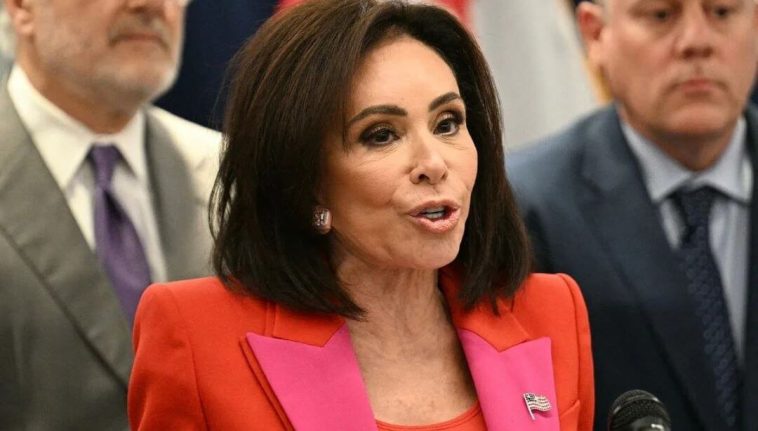
Now, with Jeanine Pirro overseeing one of the nation’s most powerful federal prosecutor offices, those concerns appear to be moving beyond political rhetoric and into the realm of criminal investigation.
If prosecutors uncover evidence showing customers were targeted because of their political beliefs, associations, or lawful business activities, the consequences could extend far beyond civil lawsuits. Internal communications, risk assessments, committee discussions, and executive-level decisions may all come under scrutiny.
For years, critics accused major banks of hiding behind vague explanations such as compliance reviews and reputational concerns. The subpoenas issued by Pirro’s office could now provide investigators with an unprecedented look inside the decision-making process of some of Wall Street’s most influential institutions.
Whether the probe ultimately results in criminal charges remains to be seen. But one thing is clear: the debate over political discrimination in banking has entered a new and potentially explosive phase.
And for the financial executives who believed the controversy would eventually fade away, federal prosecutors are now demanding answers.

