
>> Continued From the Previous Page <<
The operation, known as Project Freedom, was launched after Iranian forces intensified attacks against commercial shipping and threatened to shut down maritime traffic through the strait entirely. The Pentagon deployed a massive show of force that included guided missile destroyers, aircraft, unmanned systems, and roughly 15,000 American troops to secure the shipping lanes and deter further Iranian aggression.
The military initiative was only active for a single day before regional powers, including Pakistan, urged Washington to pause operations to create room for diplomacy. Even so, the broader pressure campaign against Tehran reportedly remains active, with U.S. forces continuing to maintain a blockade posture around Iranian ports.

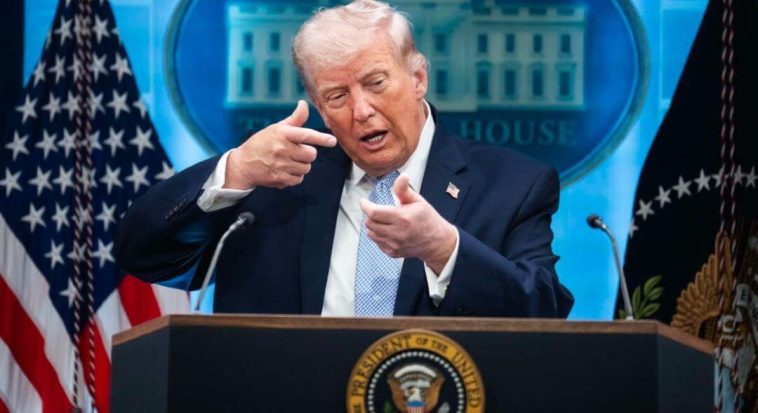
Trump framed the temporary halt as a strategic move rather than a retreat, arguing that America’s military pressure had already forced Iran into discussions it previously resisted.
At the center of the negotiations is a proposed memorandum of understanding that would establish the framework for broader talks concerning Iran’s nuclear ambitions, sanctions relief, and long-term security arrangements in the Strait of Hormuz.
Trump has repeatedly insisted that any agreement must permanently eliminate Iran’s pathway to nuclear weapons.
“We’re not going to give them the right to have a nuclear weapon,” Trump stated earlier this week. “Zero chance, and they know that.”
According to reports, the administration also wants Iran to surrender its stockpile of highly enriched uranium to the United States as part of any final arrangement.
Iranian leaders, however, are already signaling resistance.
Foreign Minister Abbas Araghchi publicly accused Washington of sabotaging diplomacy through intimidation and military escalation. Posting on X, Araghchi claimed, “Every time a diplomatic solution is on the table, the U.S. opts for a reckless military adventure” and added that “Iranians never bow to pressure.”
The sharp rhetoric follows a dangerous confrontation in the Strait of Hormuz involving three American warships: the USS Truxtun, USS Rafael Peralta, and USS Mason.
According to U.S. Central Command, Iranian forces launched missiles, drones, and fast attack boats toward the destroyers while the vessels were transiting the narrow waterway. American forces reportedly intercepted all incoming threats before carrying out retaliatory strikes against Iranian assets involved in the attack.
Despite the scale of the confrontation, the Pentagon confirmed that no American sailors were injured and none of the vessels sustained damage.
Still, the clash marked one of the most dangerous direct encounters between U.S. and Iranian forces in recent years and raised fresh fears that the Middle East could be inching closer to a broader regional war.
The Strait of Hormuz remains one of the most critical shipping corridors on earth, with a massive percentage of the world’s oil supply flowing through the narrow passage each day. Any prolonged disruption could send global energy prices soaring and trigger economic shockwaves across international markets.
For now, Trump appears determined to keep maximum pressure on Tehran while leaving the door open for diplomacy. But his latest comments strongly suggest that patience inside the White House is rapidly running out.
And if Iran refuses to sign on to the administration’s terms, “Project Freedom Plus” may soon become far more than just a warning.

