
>> Continued From the Previous Page <<
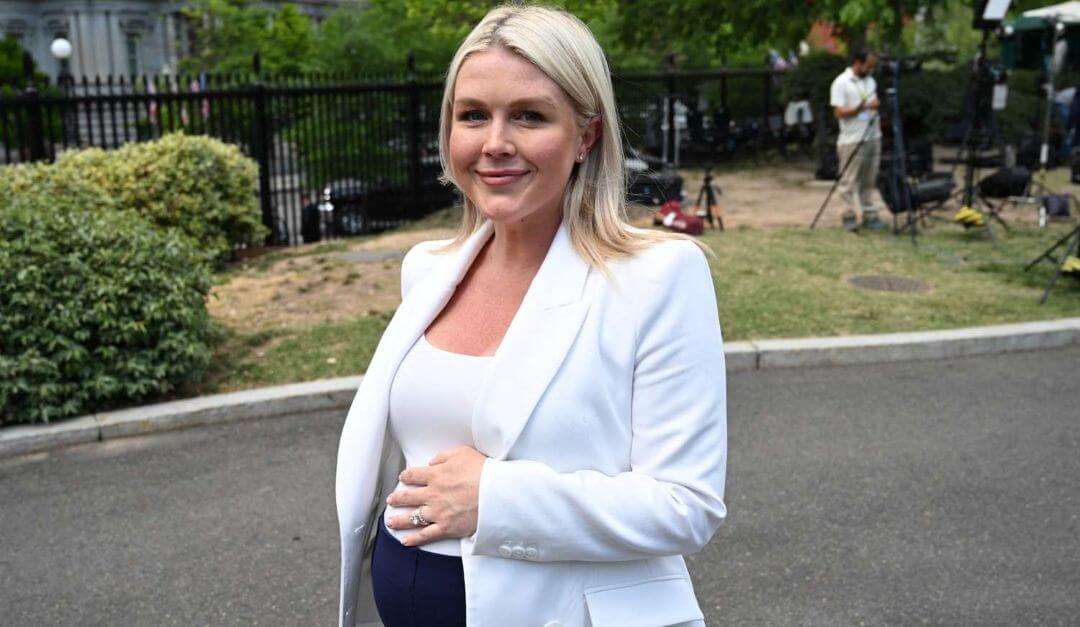
Leavitt, 28, had initially signaled that she would begin maternity leave late last week. At the time, she told reporters that a Friday briefing would be her last “for a little while” as she approached her due date. The phrasing “for a little while” was widely noted, as it suggested a temporary pause rather than a long-term absence from the podium.
However, her departure from daily briefings did not unfold in a straightforward way. Just days after stepping back, Leavitt briefly returned to the White House podium following a security disruption tied to the White House Correspondents’ Association Dinner. The incident, which involved a suspect causing a disturbance at the high-profile event, prompted an immediate response from law enforcement and senior administration officials.

In the wake of that development, Leavitt postponed her maternity leave and resumed briefing duties to address the unfolding situation. Her return underscored how quickly circumstances can shift in the White House communications operation, particularly during moments involving security concerns or national attention. After handling the briefing tied to the incident, she again stepped away from the podium, leaving the daily press operation in a more flexible and uncertain state.
It was against this backdrop that Rubio’s appearance took place. While he did not assume the formal responsibilities of press secretary, his presence behind the podium was seen as symbolic—highlighting both the temporary gap in routine staffing and the administration’s willingness to allow senior officials to step into visible roles when necessary. His informal tone only added to the perception that the moment was as much about levity as it was about messaging.
In recent months, Rubio has increasingly taken on a broader public-facing role within the administration, extending beyond the traditional boundaries of his position at the State Department. His involvement in both policy discussions and communications-related moments has made him one of the more visible cabinet figures, occasionally appearing in settings outside his expected lane. The briefing room cameo reinforced that trend, even if it was framed as a joke.
At the same time, the White House has not announced any formal interim replacement for Leavitt during her maternity leave. In previous administrations, it has been more common for deputy press secretaries or designated stand-ins to handle daily briefings in such situations. This time, however, the approach appears less structured, with senior officials potentially stepping in on an as-needed basis depending on events.
Leavitt’s decision to briefly return to work after the Correspondents’ Dinner security incident also reflects a pattern seen earlier in her career. During the 2024 campaign cycle, she similarly resumed professional duties shortly after the birth of her first child, citing the fast-moving and demanding nature of the political environment she was working in.
For now, the White House has not provided a clear timeline for how long Leavitt will remain on leave or whether a permanent interim spokesperson will be assigned. That uncertainty leaves the briefing room in a somewhat fluid state, where staffing may shift depending on breaking developments and internal decisions.
Ultimately, Rubio’s brief turn at the podium stood out less for any policy announcement and more for what it symbolized: a White House communications operation in transition, senior officials willing to step into unexpected roles, and a press structure adapting in real time to both personal and political developments. Whether the moment was simply a joke—as Rubio suggested—or a sign of a more flexible future for briefing duties remains an open question.

