
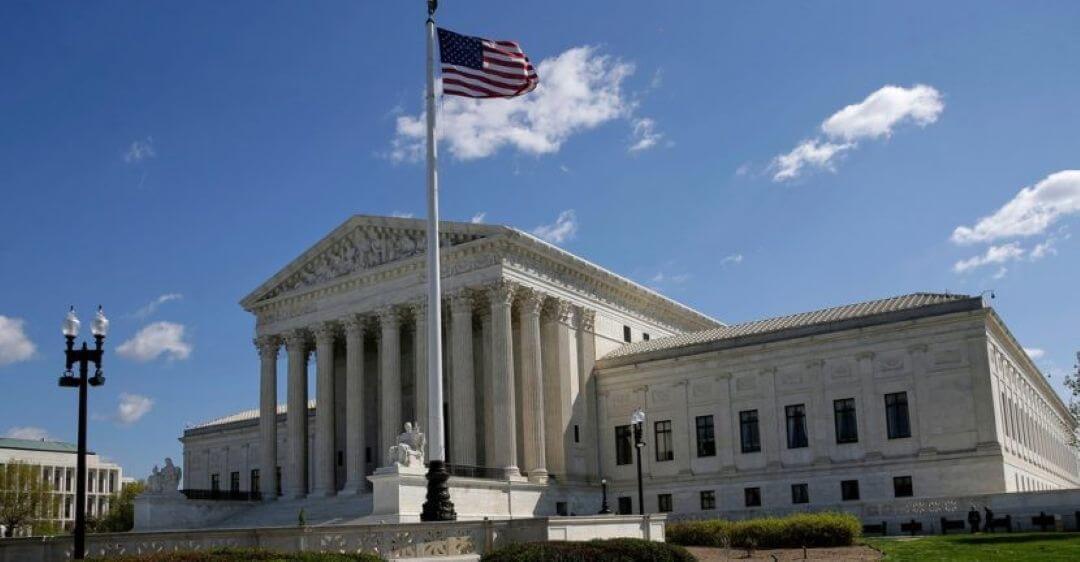
In a decision that is already sending shockwaves through the political landscape, the Supreme Court of the United States handed down a major ruling Wednesday morning that could reshape how congressional districts are drawn across the country.
By a 6-3 margin, the high court struck down Louisiana’s newly crafted congressional map, delivering a significant victory for those who have long argued that race-based districting violates constitutional principles. The ruling immediately ignited reactions from both sides of the political aisle, with conservatives hailing it as a long-overdue correction.
At the heart of the decision was the court’s determination that Louisiana’s redistricting effort crossed a constitutional line. The majority concluded that the map amounted to what it described as unconstitutional “racial gerrymandering,” a term that has been at the center of numerous legal battles in recent years. The ruling underscores a growing skepticism among the court’s conservative majority toward the use of race as a dominant factor in political mapmaking.

Writing for the majority, Associate Justice Samuel Alito laid out the legal reasoning behind the decision, focusing heavily on unresolved tensions surrounding federal voting law. Alito pointed to lingering constitutional questions that have complicated redistricting efforts for decades, particularly when lawmakers attempt to balance compliance with federal mandates against equal protection principles.
>> Click Here To Continue Reading <<

