
>> Continued From the Previous Page <<
Roughly 2,600 attendees scrambled for safety, diving under tables as confusion spread. The sheer number of high-ranking officials in one location raised immediate questions about whether the venue itself was appropriate for such a sensitive gathering.
Journalist Bill Melugin later described what he experienced entering the event, highlighting what many now see as glaring security gaps. According to Melugin, basic screening measures appeared inconsistent, raising concerns about how someone with harmful intent could get dangerously close.

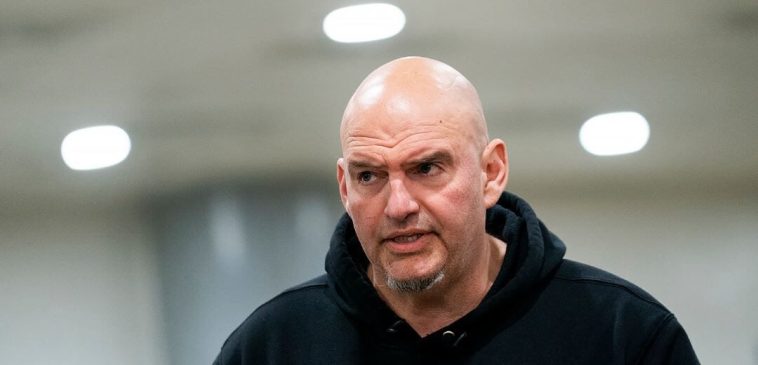
That reality is exactly what John Fetterman addressed in the aftermath.
“We were there front and center,” he wrote. “That venue wasn’t built to accommodate an event with the line of succession for the U.S. government.”
He followed that statement with a line that has Democrats fuming: “After witnessing last night, drop the TDS and build the White House ballroom for events exactly like these.”
Appearing on CNN, Fetterman doubled down, calling the situation “vulnerable” and stressing that political bias should never outweigh safety concerns.
This is not the first time Fetterman has frustrated members of his own party. Since early 2025, he has taken positions that align more closely with Republicans on several high-profile issues, including national security and foreign policy. His willingness to publicly criticize fellow Democrats has made him a frequent target of backlash.
Critics within the party, including veteran strategist James Carville, have dismissed him. Others have questioned his influence. Yet despite the criticism, Fetterman continues to speak out, especially on issues he frames as common sense.
The debate now centers on a proposal backed by Donald Trump to construct a new ballroom within the White House complex. The project, estimated at hundreds of millions of dollars, is designed to host large events within a far more secure perimeter.
The effort has already run into legal resistance. U.S. District Judge Richard Leon previously halted parts of the construction, ruling that such a major alteration requires congressional approval. A legal battle involving the National Trust for Historic Preservation is ongoing.
However, the events of Saturday night have dramatically shifted the conversation.
Officials within the administration, including Acting Attorney General Todd Blanche, have reportedly pushed for urgent reconsideration of the project. Supporters argue that hosting large-scale events outside the White House grounds exposes leaders to unnecessary risks.
Republican lawmakers have quickly rallied behind the proposal. Lindsey Graham described the ballroom as a “national security necessity,” while Jim Jordan voiced full support.
Fetterman’s stance adds a surprising twist. As one of the few Democrats present during the incident, his firsthand experience carries weight, even among those who disagree with him politically.
At its core, his message is simple: security decisions should not be shaped by political grudges.
Whether Democrats will heed that warning remains to be seen. But after a night that exposed vulnerabilities at the highest levels of power, the debate over where — and how — America’s leaders gather is no longer theoretical.
It is urgent.

