
>> Continued From the Previous Page <<
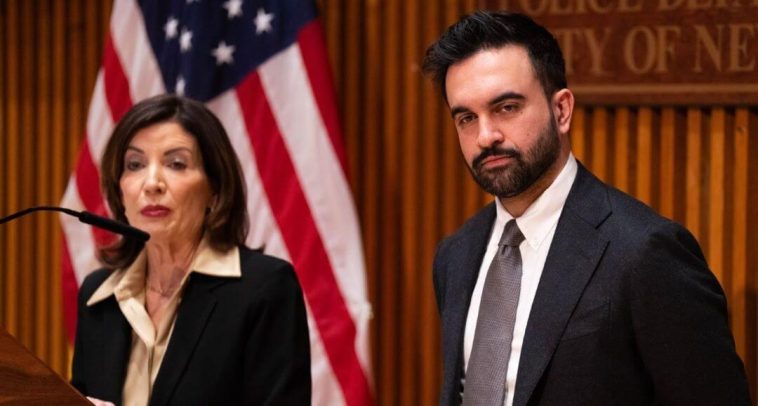
Governor Hochul made her position clear when defending the plan.
“If you can afford a $5 million second home that sits empty most of the year, you can afford to contribute like every other New Yorker,” Hochul said.

She also emphasized that the measure is designed to avoid placing additional burdens on middle-class residents. According to the governor, the tax is specifically aimed at non-residents and luxury property holders, not everyday New Yorkers.
New York City Mayor Zohran Mamdani, a self-described democratic socialist, has been a vocal supporter of the initiative. His administration has been grappling with budget pressures tied to an ambitious slate of social programs.
Mamdani praised the proposal as a step toward addressing the city’s fiscal challenges.
“Thanks to the support of Governor Hochul, we are one step closer to balancing our budget by taxing the ultra-wealthy and global elites with a pied-à-terre tax — the first of its kind in our state,” he said.
“Alongside the governor, our administration is fighting every day to make sure we address this fiscal deficit fairly, where the wealthy contribute what they owe and our budget reflects our commitment to the working New Yorkers being priced out of our city.”
Still, critics warn the timing could not be worse.
New York has already seen an outflow of high-income residents in recent years, with many relocating to states like Florida and Tennessee, where tax burdens are significantly lower. Opponents argue that policies like this could accelerate that trend, further weakening the state’s financial position.
The concern is not theoretical. Wealthy taxpayers contribute a disproportionate share of New York’s revenue, and even a small number of departures can have an outsized impact on the budget.
Governor Hochul herself has acknowledged the issue in the past, even urging affluent residents to remain in the state.
“There are some patriotic millionaires who stepped up,” she said.
She went a step further, encouraging those still in New York to help bring others back.
“If you want to be supportive — but maybe the first step should be, go down to Palm Beach and see who you can bring back home, because our tax has been eroded.”
That statement alone underscores the delicate balancing act facing state leaders.
On one hand, they are seeking new ways to fund expansive government programs. On the other, they risk driving away the very taxpayers who fund a large portion of those initiatives.
As the debate unfolds, one question looms large over Albany and New York City alike.
Can the state continue to raise taxes on the wealthy without pushing more of them out the door?

