
>> Continued From the Previous Page <<
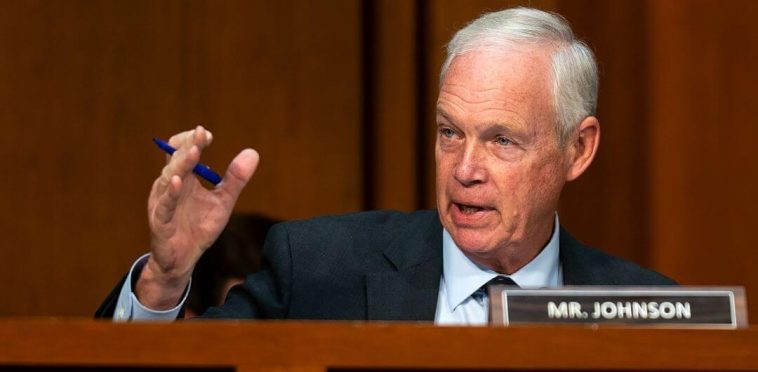
The Wisconsin senator then shifted the focus to what he described as the psychological reality facing federal agents.
Armed activists allegedly coordinating through encrypted apps. Previous attacks fresh in their memory. Crowds forming around enforcement scenes.

“So now you’re an ICE officer,” Johnson continued. “You’re doing enforcement action. You’ve got a team behind you trying to protect you. You’ve got all these trained activists behind you. Is it any wonder they’re at hair trigger alert?”
Johnson did not mince words about where he believed responsibility lies.
“A tragedy was going to happen and you encouraged it. And you ought to feel damn guilty about it.”

The exchange took a sharper turn when Johnson noticed Ellison’s reaction. Cameras captured the attorney general appearing to smirk during the confrontation.
Johnson immediately called it out.
“Sit there and smirk. Smirk. It’s sick. It is despicable.”
Ellison forcefully rejected the accusation.
“Everything you said was untrue. It was a nice theatrical performance, but it was all lies.”
The hearing room fell silent as the back and forth underscored just how deeply divided the issue has become.
The tragedy at the center of the confrontation involved two civilians: 37 year old Renee Good and 37 year old Alex Pretti. Good was reportedly shot on January 7 while serving as a legal observer during immigration enforcement activity. Pretti, an ICU nurse, was shot on January 24 after positioning himself between federal agents and a woman who had been pushed to the ground.
Supporters of Johnson argue those deaths did not occur in a vacuum. They contend Minnesota’s top Democrats created an atmosphere of confrontation rather than de escalation.
The unrest followed a massive federal immigration initiative known as Operation Metro Surge. More than 3,000 federal personnel were reportedly deployed to Minneapolis beginning in December 2025 in what officials described as a historic enforcement effort.
Ellison filed federal lawsuits challenging aspects of the operation, arguing that Minnesota was being unfairly targeted and that constitutional rights were at risk. Critics say that legal challenge, combined with public rhetoric comparing federal enforcement to authoritarian tactics, fueled resentment toward ICE officers.
Local law enforcement policies added to the friction. Minneapolis police reportedly signaled limited cooperation around crowd control for immigration operations. Large scale protests followed, drawing tens of thousands even in subzero temperatures. Schools temporarily shifted to remote learning amid safety concerns.
Border policy adviser Tom Homan later announced the surge would conclude, citing improved coordination with local detention facilities that allowed enforcement actions to occur away from public confrontations.
During the same hearing, Missouri Senator Josh Hawley also pressed Ellison on unrelated matters, adding to the intensity of the session.
For Johnson’s supporters, the defining image of the day was not the policy debate. It was the visible tension and the perceived smirk.
They argue the moment symbolized what they view as a failure of accountability.
Johnson framed the issue as simple and tragic. Two Americans are dead. Federal officers faced escalating threats. And, in his view, political leaders who encouraged confrontation should answer for the consequences.
Ellison insists the accusations are false.
But the exchange ensured that this debate over immigration enforcement, state resistance, and responsibility for deadly outcomes is far from over.

