
>> Continued From the Previous Page <<
The timing of these drills has raised concerns globally, particularly among Western nations who see China’s actions as an aggressive power grab. For many, this latest escalation represents not only a threat to Taiwan but also a broader challenge to international stability in the Indo-Pacific region.
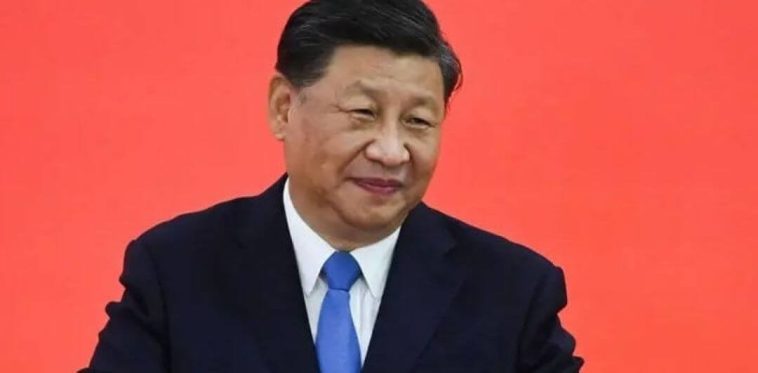
Xi’s call for ramped-up military preparation didn’t stop with general readiness. He also emphasized the need to enhance the PLA’s combat capabilities, making sure the troops are equipped with the latest technology and prepared for the complexities of modern warfare. “Solid combat capabilities” were among the top priorities he outlined for the troops.

The Chinese leader reportedly urged the Rocket Force to ensure that they are capable of fulfilling the “tasks entrusted to them by the Party and the people,” further highlighting the importance of military obedience to the Chinese Communist Party’s agenda.
This directive is a continuation of Xi’s larger vision for China’s military, which he has been expanding and modernizing throughout his time in power. Xi’s government has increased military spending every year, funneling resources into advanced weaponry and new technologies designed to challenge the United States’ military dominance.
As China escalates its aggression, many conservatives in the U.S. are pointing fingers at the Biden administration for what they view as a passive stance on foreign policy. Critics argue that the current administration’s perceived weakness has emboldened Xi Jinping to push his military agenda forward. The Biden administration’s foreign policy, especially in relation to China, has come under fire for what some view as a lack of decisive action in the face of growing threats.

“Conservatives have long warned that China’s growing aggressiveness would only worsen under an administration that fails to project strength on the world stage,” say political analysts. Many argue that this administration’s failure to take a hard line with Beijing has created an opening for China to make bolder moves in its quest for regional dominance.
The intensification of military activities around Taiwan is just one example of how China has been testing the boundaries of international tolerance under Xi’s leadership. In addition to military exercises, China has been expanding its influence across the globe, from asserting dominance in the South China Sea to leveraging its economic power through initiatives like the Belt and Road project.
The question now is whether Xi Jinping’s military maneuvers are merely posturing or a sign of something more imminent. With each exercise, the risk of conflict seems to grow, raising the stakes for Taiwan, the U.S., and its allies in the region.
For Taiwan, the message from China could not be clearer: Beijing is prepared to use military force to achieve its goals. The island nation has been bolstering its own defenses in response, and it continues to rely on the support of allies like the U.S. to deter a potential invasion.
TRUMP LOVES IT: Get the Presidential Blanket FREE Today! Supplies Running Out – Grab Yours NOW! 🕒👇
However, as tensions rise, the world watches with bated breath. If the U.S. fails to respond decisively, it may only embolden Xi further in his quest to bring Taiwan under Chinese control. The coming months will be critical in determining whether this conflict remains a war of words and drills or turns into something far more dangerous.
Xi’s demands to “intensify troop training and enhance combat preparedness” across the board have cast a long shadow over the region. The world must now grapple with the possibility of war as China continues to flex its military muscle.
China’s aggressive posturing has long been a source of concern for the international community, but Xi’s latest orders indicate that the time for caution may be running out. The world must stay vigilant as Beijing tightens its grip on Taiwan and prepares its military for the potential conflicts to come.

