
>> Continued From the Previous Page <<
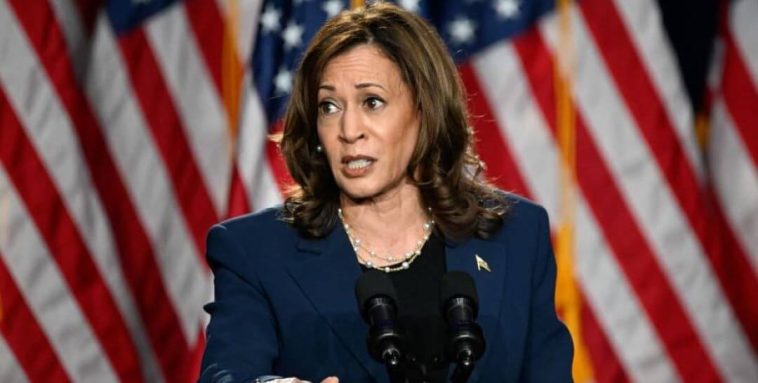
Harris’s plan, which was set to be announced at a Friday afternoon event in Raleigh, North Carolina, according to Yahoo Finance, has been met with growing skepticism. The proposed ban on “price gouging” in food and groceries is intended to address what the Vice President sees as unfair pricing practices, but many experts argue that such measures could backfire, leading to unintended economic consequences.
Rampell was particularly concerned about the broader implications of Harris’s proposal, arguing that it could lead to sweeping government-enforced price controls across various industries. “Supply and demand would no longer determine prices or profit levels. Far-off Washington bureaucrats would. The FTC would be able to tell, say, a Kroger in Ohio the acceptable price it can charge for milk,” Rampell wrote.

While Rampell’s critique is significant in its own right, it also underscores a deeper division within the Democratic Party. Harris, who has often been criticized for her lack of authenticity and policy flip-flops, now finds herself at odds with members of her own establishment. Rampell’s critique represents the more calculated and pragmatic wing of the party, which is wary of policies that could be seen as too extreme or economically destabilizing.
For many, Harris’s proposal brings to mind the price control policies of totalitarian regimes. Historian Kristy Ironside, for example, has documented how price controls were a key component of Stalinist economics in the Soviet Union. These policies were presented as a way to protect workers’ interests but ultimately led to widespread shortages and economic dysfunction.
Rampell echoed these concerns, predicting that Harris’s plan would likely lead to “shortages, black markets, and hoarding.” Her critique reflects a broader skepticism among the Democratic establishment about policies that could undermine the very economic structures they rely on.

Yet, while Rampell’s criticism is rooted in economic pragmatism, it’s also important to recognize the underlying motivations. As a member of the establishment’s managerial class, Rampell represents a different form of authoritarianism—one that prioritizes control and compliance over individual freedoms. This is evident in her defense of policies like illegal immigration and federal taxation, which she has consistently supported on social media.
On platforms like X (formerly Twitter), Rampell has been vocal in her criticism of conservative policies, mocking Republican Senator J.D. Vance and former President Donald Trump’s economic plans. She recently took issue with Trump’s proposal to eliminate taxes on tips, which Harris has also endorsed. Rampell’s opposition to this policy reveals a deeper commitment to maintaining the status quo, even at the expense of those in the service industry.
Brutal “Pocket Weapon” Stops Hearts (discounted for next 78)
In many ways, Rampell’s critique of Harris’s price control proposal is a microcosm of the broader ideological battle within the Democratic Party. On one side, there are those like Harris, who advocate for more radical economic interventions. On the other side are figures like Rampell, who support a more measured approach but are no less committed to expanding government control.
As George Orwell famously depicted in his novel “1984,” authoritarianism can take many forms. Rampell’s critique of Harris’s plan is a reminder that, while the faces of the establishment may differ, their underlying goals often remain the same. In this case, it appears that the establishment is more than willing to let its members devour each other when it serves their interests.
In the end, the backlash against Harris’s proposal may force her to reconsider or tone down her plans. However, the larger issue remains: the growing divide within the Democratic Party and the different visions of how best to wield government power. As the 2024 election approaches, these internal conflicts could have significant implications for the party’s future and for the country as a whole.

