
>> Continued From the Previous Page <<
The sudden adjustment in travel plans was not accompanied by any formal statement outlining the reason for the abbreviated Ohio trip. Still, the timing aligned with a period of increased administrative focus on international developments and ongoing policy coordination at the highest levels of government.
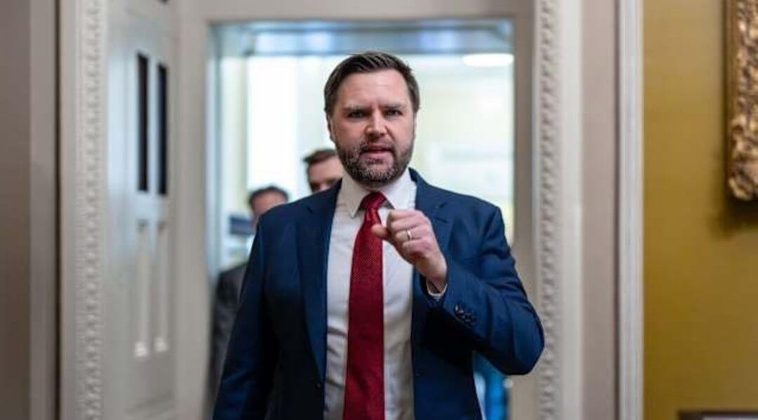
Vance has frequently returned to Ohio since taking office, often participating in civic events and maintaining close contact with constituents. Earlier this month, he also traveled to the state to cast his vote in the May primary, reinforcing his continued connection to local political activity even while serving in Washington.

The weekend shift in his schedule came as senior administration officials continued to monitor sensitive international developments. While specifics were not publicly disclosed, the situation has required consistent coordination among national security and foreign policy teams.
At the same time, President Donald Trump also altered his own weekend plans. The president had initially been expected to travel to his Bedminster, New Jersey property, but ultimately decided to remain in Washington, D.C., instead.
According to White House messaging, the decision was tied to the need for continued oversight of ongoing matters requiring immediate attention. Trump himself emphasized the importance of staying in the capital during what officials described as a critical period for decision-making and coordination.

The change in both leaders’ schedules allowed for in-person meetings with senior national security officials and key advisers. These sessions reportedly focused on maintaining continuity across agencies and ensuring rapid access to developing intelligence and policy updates.
Throughout the day, both Vance and Trump remained engaged in briefings, underscoring the administration’s emphasis on centralized communication during periods of heightened sensitivity. Officials have stressed that decision-making processes remain fluid, with real-time updates driving executive-level coordination.
Much of the current attention centers on broader U.S. policy considerations involving Iran, particularly its nuclear program, regional activity, and ongoing security concerns tied to previous conflicts and ceasefire arrangements. These issues have long been a focal point of U.S. diplomatic strategy in the region.
Earlier diplomatic efforts, including negotiations in Islamabad earlier this year involving Vance, highlighted the ongoing difficulty in securing durable agreements on key demands such as uranium enrichment limits and reductions in support for regional proxy groups. While those talks underscored some progress in dialogue, significant gaps remain between the parties.
As of now, no new round of negotiations has been officially announced. However, the simultaneous return of Vance to Washington and Trump’s decision to remain in the capital has fueled expectations that further high-level coordination or strategic review may be underway behind the scenes.
Administration officials continue to maintain that diplomatic channels remain open, even as they emphasize a parallel focus on protecting U.S. national security interests. The policy approach remains dual-tracked: pursue verifiable diplomatic commitments where possible, while keeping alternative options available should negotiations stall or fail to meet strategic objectives.

