
>> Continued From the Previous Page <<
“Just where strategy and policy met reality,” Chaudhary admitted when discussing these painful testimonies.
One veteran described a grueling assignment: hauling supplies by truck from Pakistan into Afghanistan. While bureaucrats in D.C. debated logistics, this soldier was already suffering the consequences of Washington’s indecision.

Chaudhary shared her thoughts after hearing the account: “I told him, ‘I have thought about someone like you this whole time,’ because the policy discussions we had in Washington were all about, when the routes closed, what happens to our folks in the field.”
For this veteran, the crisis had already arrived—long before Washington realized it.
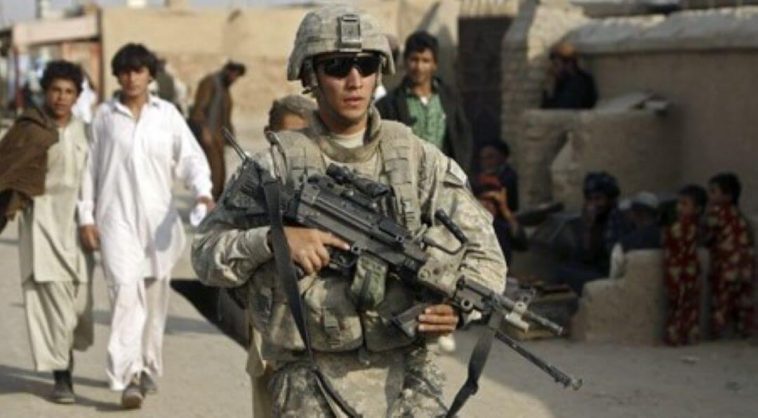
Then came a chilling comment from a three-star general, whose own father questioned the point of it all: “All my father wants to know is why I had to go there nine times,” Jackson recalled.
That one line sums up the human toll of Obama’s strategy: sending troops back over and over again into a warzone that lacked direction, clarity, or victory.
The Commission also uncovered major flaws in how Obama’s administration tried to build up Afghan forces. Officials rushed to prop up security forces, but serious concerns lingered about whether these efforts ever had a chance to succeed.
Veterans consistently said they were under pressure to “show progress,” even when progress was clearly an illusion.
“We were just trying to do the best we could,” Chaudhary explained, echoing a common theme among troops.
The contrast couldn’t be starker. While Obama’s team was playing a game of optics and legacy building, the people on the ground were just trying to survive.
The Commission found widespread agreement that the Obama administration had been “far too ambitious in a place that required less.”
So far, the Commission has conducted 114 interviews and numerous public hearings. The final report, expected in August 2026, will stretch around 600 pages—on par with the 9/11 Commission Report in size and scope.
What sets this investigation apart? Unlike those focused solely on Biden’s catastrophic 2021 withdrawal, this Commission is examining the entire 20-year war—divided into eight key phases. Obama’s surge is a central piece.
Colin Jackson, a veteran himself, said the goal is to balance technical accuracy with accessibility: “We’ve got a balancing act here,” he explained.
And while the Commission will highlight both wins and failures, the overwhelming message from veterans is clear: Obama’s vision for Afghanistan ignored the harsh truths on the battlefield.
The timing of the Commission’s findings couldn’t be more critical. Joe Biden’s bungled exit from Afghanistan left billions in U.S. weapons behind, stranded Americans, and handed the Taliban a victory they never expected.
But as that disaster continues to unfold, the new revelations about Obama’s surge show this wasn’t just a Biden failure—it was a long time coming.
Veterans who were silenced or ignored are finally being heard. Their stories lay bare the cold reality of an administration that overpromised, underdelivered, and paid for it with American lives.
Obama’s grand strategy now lies in ruins—and the truth is no longer being buried under talking points.

