
>> Continued From the Previous Page <<
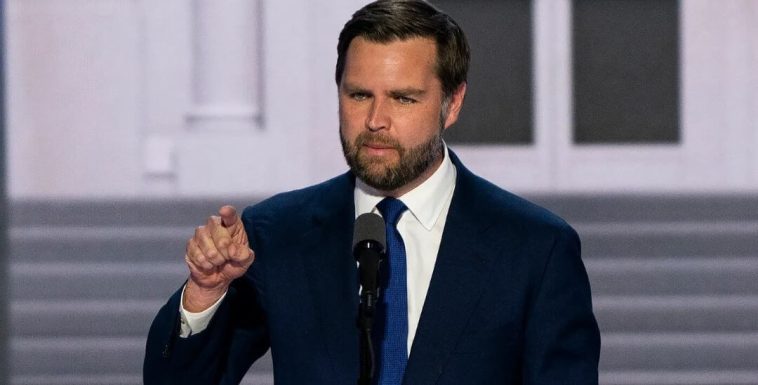
Traditionally, candidates who call for more debates are often perceived as trailing in the race. In this case, it seems that the Trump campaign’s internal data might be indicating a lag behind Vice President Kamala Harris, both on a national level and in key swing states. Vance’s eagerness to debate multiple times may signal an urgent need for the Trump-Vance ticket to regain momentum.
By agreeing to two debates, Vance is clearly aiming to create opportunities for the Trump campaign to sway undecided voters and counteract the narrative pushed by the Harris-Walz campaign. Debates are one of the few remaining opportunities for both sides to directly influence voters before Election Day, and Vance’s challenge underscores the importance of these events in what has become a critical race.

So far, both Vice President Kamala Harris and Governor Tim Walz have only committed to one debate. This hesitancy to engage in multiple debates may reflect confidence in their current standing or a desire to minimize risk. Harris recently stirred controversy with her proposal of price controls to combat inflation—a policy many conservatives have criticized as a hallmark of failing economies and dictatorial regimes.
Harris’s suggestion has been met with fierce opposition from the Trump campaign, which argues that inflation was exacerbated by her support for a $1.9 trillion spending bill. The Trump camp is eager to use the debate stage to highlight this and other points, making the reluctance of Harris and Walz to participate in more than one debate a potentially strategic move to avoid giving their opponents more airtime.
With the election just around the corner, these debates represent one of the last chances for both sides to make a significant impact. The Trump-Vance campaign is betting that additional debates will provide the exposure needed to shift the tide in their favor, particularly in the swing states that will ultimately decide the election.

Brutal “Pocket Weapon” Stops Hearts (discounted for next 78)
On the other hand, the Harris-Walz camp seems content with sticking to a single debate, possibly believing that limiting the number of debates reduces the risk of any damaging gaffes or surprises.
Regardless of the number of debates, one thing is clear: the stakes couldn’t be higher as both sides prepare to make their case to the American people. The upcoming Vice Presidential debates will be a critical moment in the race, potentially shaping the final stretch of the campaign and influencing the outcome of the election.
In the end, it will be up to the voters to decide which team—Trump-Vance or Harris-Walz—has the vision and leadership to guide the nation through the challenges ahead. And with both sides gearing up for a fierce battle on the debate stage, this election is shaping up to be one of the most intense in recent memory.

