
>> Continued From the Previous Page <<
That kind of language is raising eyebrows in Washington and beyond.
Critics argue this is not just about innovation. It is about access. Specifically, access to sensitive research, infrastructure, and potentially massive streams of data generated by autonomous vehicles operating in the United States.

The concern is amplified by China’s 2017 National Intelligence Law, which requires companies and citizens to cooperate with state intelligence efforts when asked. U.S. officials, including those from the Department of Homeland Security, have repeatedly warned that Chinese firms can be compelled to hand over data, even if that data originates overseas.
That means Dreame, like other Chinese companies, does not have the option to refuse such requests.
This partnership also appears to collide with recent U.S. policy. In early 2025, the Commerce Department implemented new restrictions targeting foreign involvement in connected vehicle systems. The rules specifically warn that software and hardware tied to adversarial nations could pose “unacceptable national security risks,” including the possibility of remote vehicle control or data harvesting from drivers and passengers.
Those restrictions are set to take effect in phases, beginning in 2027 for software and extending to hardware by 2030.
Yet despite those safeguards, Dreame is now developing similar technology within an American university lab. That has led some observers to question whether this collaboration is effectively bypassing the very protections Washington spent years putting in place.
The situation becomes even more complicated when considering Berkeley’s past. The university was previously mentioned in a 2019 Senate investigation into foreign influence in academic research. That report highlighted concerns about undisclosed ties between Chinese nationals and government-backed talent recruitment programs aimed at acquiring U.S. intellectual property.
Programs like China’s Thousand Talents initiative have long been flagged by federal agencies, including the FBI, as mechanisms for transferring sensitive research back to Beijing.
Critics say the pattern is familiar. Partnerships are framed as academic exchanges, concerns are brushed aside, and by the time questions are seriously asked, the technology has already moved.
Meanwhile, House Select Committee on China has previously investigated Chinese autonomous vehicle companies operating in the U.S., particularly regarding how they handle data. However, no similar scrutiny has yet been publicly directed at Berkeley’s involvement in this new collaboration.
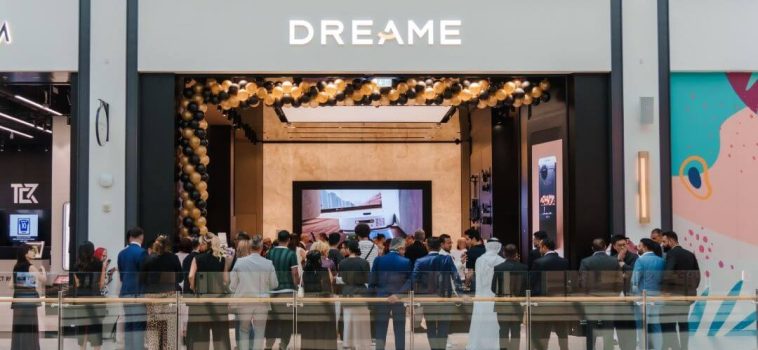
Adding urgency to the situation, Dreame is scheduled to host a major event in Silicon Valley on April 27, where it plans to showcase new technologies. Observers believe this could include developments stemming from its work with Berkeley.
That timeline is raising calls for immediate action.
Lawmakers and watchdog groups are now urging Congress and federal agencies to investigate whether this partnership triggers existing review requirements under U.S. law. Questions are also being raised about foreign funding disclosures and whether the university has complied with Department of Education reporting rules.
At stake is more than just one research agreement. It is the broader issue of how open America’s academic institutions should be when dealing with companies tied to foreign governments, especially in fields as sensitive as artificial intelligence and autonomous systems.
For many, the concern is simple. If the United States is working to keep certain technologies out of foreign hands, allowing them to be developed domestically with foreign partners could undermine that entire strategy.
And with taxpayer dollars helping fund institutions like Berkeley, critics argue the public deserves clear answers.
The debate is far from over, but one thing is certain. This partnership has turned a quiet research deal into a high-stakes national conversation about security, technology, and who ultimately controls the future of AI on American roads.

