
>> Continued From the Previous Page <<
Now it is fractured across platforms that demand monthly fees, premium upgrades, and add-on packages.
The FCC’s inquiry will examine how the league’s evolving media deals have affected local access, whether costs have spiraled out of control, and whether broadcast license holders are still fulfilling their legal obligations to operate in the public interest.

Public comments are open through March 27, with reply comments due April 13. That means Washington is officially on record asking whether the average fan has been priced out of America’s biggest sport.
The Real Cost of Watching Every Game
The numbers tell the story in brutal detail.
According to the FCC’s own filing, watching every NFL game during the 2025 season could cost fans more than $1,500. Ten different platforms are now involved in carrying games.
Thursday Night Football lives exclusively on Amazon Prime at $8.99 per month. Christmas Day games went to Netflix at $7.99. Peacock requires $10.99 monthly for Sunday Night Football access. ESPN’s streaming service charges $29.99 for Monday Night Football. And if you want out-of-market games, Sunday Ticket adds another $276 on top.
What used to be free with an antenna now resembles a subscription maze designed by Silicon Valley accountants.
OutKick founder Clay Travis summed up what millions of fans are feeling: sports viewing costs more and delivers less than it did a decade ago, and that’s a dangerous trend for an industry built on mass appeal.
He is not wrong.
The NFL’s dominance was built on ubiquity. Everyone could watch. Everyone could participate. That universality fueled the league’s cultural power.
Now that power is being monetized at every turn.
A 1961 Law and a Modern Loophole
The legal backbone of the NFL’s media empire dates back more than six decades.
In 1961, Congress passed the Sports Broadcasting Act, allowing professional football to bundle and sell broadcast rights collectively without violating antitrust laws. At the time, the goal was to ensure stability and equal competition among teams while games remained widely accessible on free, over-the-air television.
But the world changed.
Courts later determined that the Act does not apply to cable or streaming platforms. That distinction created an opening. The NFL could preserve its federal antitrust shield for broadcast deals while aggressively expanding into subscription-based platforms.
When Amazon agreed to pay roughly $1 billion annually for exclusive Thursday Night Football rights, the strategy accelerated. What began as selective experimentation became a full-scale migration.
Through 2033, the league is expected to collect more than $110 billion in media revenue. Meanwhile, fans who built that audience are being asked to shoulder ever-rising subscription costs.
Republican leaders on the House Judiciary Committee raised red flags last year, questioning whether leagues benefiting from federal protections should also be allowed to wall off content from the public.
Now the FCC is stepping into the debate.
A Fight Over Access and Accountability
The core question is straightforward: if a sports league benefits from a special federal exemption, does it have any continuing obligation to ensure broad public access?
Carr’s inquiry suggests the answer may not be settled.
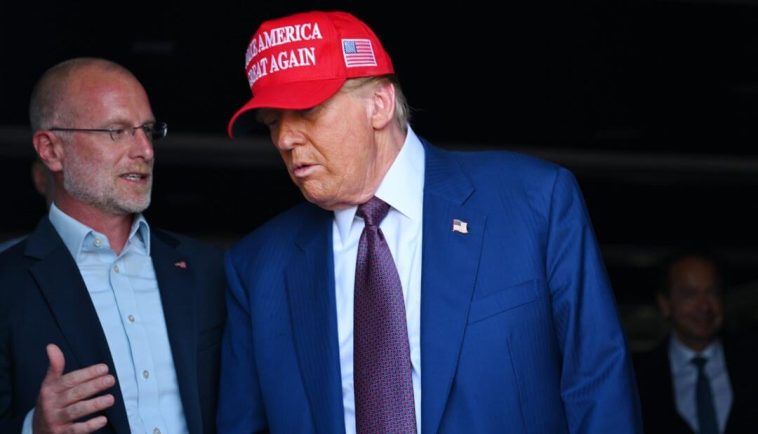
President Trump appointed Brendan Carr to lead the FCC with a mandate to challenge entrenched corporate interests when everyday Americans are left holding the bill. This investigation signals that regulators are willing to revisit assumptions that have gone largely unchallenged for years.
The NFL remains the most-watched sports league in the United States. But its growing dependence on streaming exclusives has reshaped who can participate in that shared national experience.
The days of flipping on the television and finding your team instantly may not be gone forever. If Washington follows through and reexamines the balance between antitrust privileges and public access, the league could face pressure to restore broader availability.
For now, one thing is clear: the era of quiet streaming expansion is over. The federal government has officially asked the NFL to explain itself.
And millions of fans who remember when football was simply “on TV” will be watching closely.

