
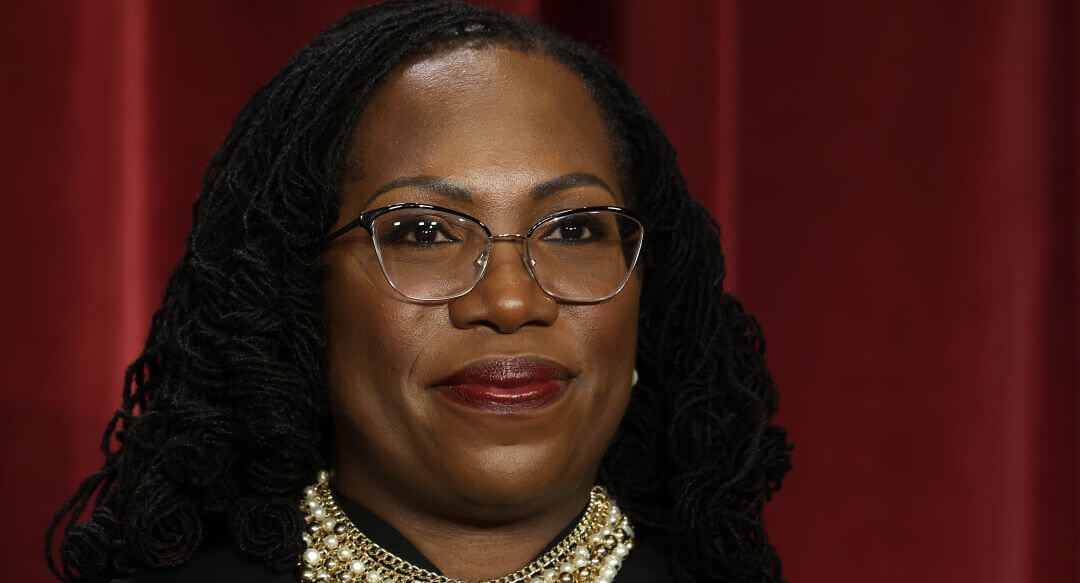
In a pivotal Supreme Court session last Thursday, the legal defenses for former President Donald Trump sparred with Justice Ketanji Brown Jackson over the implications of presidential immunity. The court was engrossed in arguments concerning Trump’s claims that his presidential actions should shield him from criminal prosecution, a debate that could redefine the bounds of presidential power.
The courtroom saw Trump’s attorney, D. John Sauer, engage in a spirited exchange with Justice Jackson, who raised concerns about the dangers of unchecked presidential authority. “If the potential for criminal liability is taken off the table, wouldn’t there be a significant risk that future presidents would be emboldened to commit crimes with abandon while they’re in office?” Justice Jackson queried. This line of questioning reflects deep judicial contemplation about maintaining a balance between presidential immunity and accountability.
Don’t miss this! Carry faith with you everywhere with the Exclusive National Prayer Coin!

Sauer confidently countered, emphasizing the historical precedence of presidential immunity. “We view the prosecution of a chief executive as something that everybody cried out against,” Sauer explained, invoking the wisdom of founding figures like Benjamin Franklin and George Washington. His argument portrayed a tradition of protecting the presidency from factional judicial pursuits, suggesting that such immunity has been a cornerstone of American governance for over two centuries.
>> Click Here To Continue Reading <<

