
>> Continued From the Previous Page <<
Meanwhile, Trump, engaged in ongoing litigation in New York, awaits the Supreme Court’s verdict with bated breath. The decision holds the potential to dismiss all charges against him. Throughout his legal challenges, Trump has consistently asserted his innocence and claimed broad immunity, not only for actions taken during his presidency but also for those in his private life.
The debate in the Supreme Court also touched on historical precedents where past presidents could have faced criminal charges under modern statutes. Justice Samuel Alito, probing U.S. attorney Michael Dreeben, pointed to President Franklin D. Roosevelt’s wartime internment of Japanese Americans. Dreeben acknowledged that such actions, if taken today, would likely lead to charges under conspiracy against civil rights statutes.

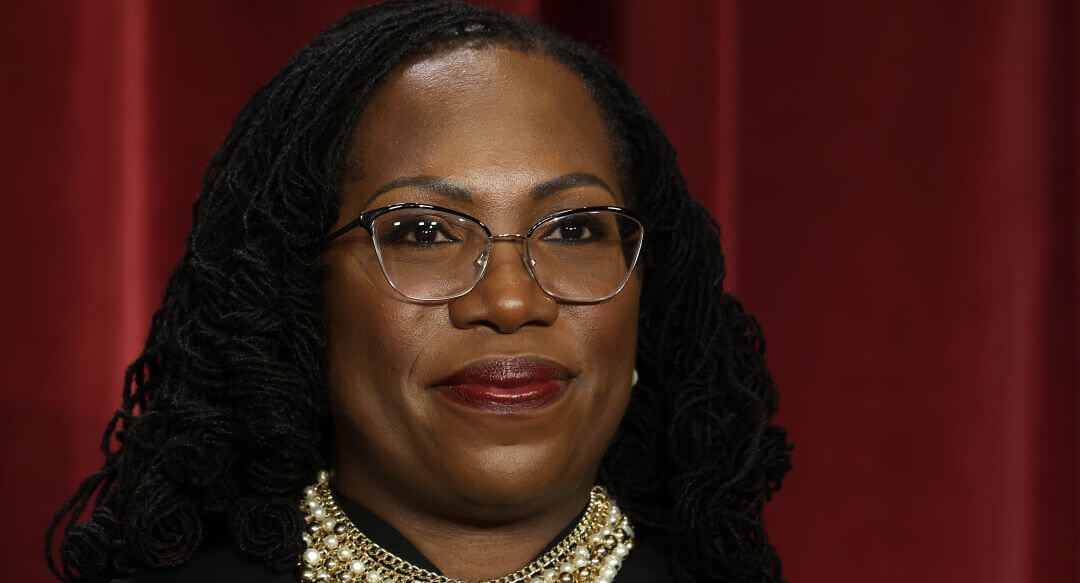
Adding complexity to the debate over presidential immunity, Justice Jackson questioned the necessity of the pardon granted to former President Richard Nixon if immunity were so clear-cut. Sauer responded, clarifying that Nixon was under scrutiny for both his presidential and private actions.
WATCH:
ALERT! Major Water Restrictions In Effect!
Trump’s legal team has argued vehemently that exposing a president to criminal charges for official acts would fundamentally weaken the presidency. They claim that such vulnerability to prosecution would hinder presidential independence, subjecting the office to potential political manipulation and legal harassment post-tenure.
As the Supreme Court deliberates, the nation watches closely. The outcome of this case could significantly impact the legal landscape for future presidents, defining the extent to which they can be held criminally accountable for actions taken while in office. The decision will either reinforce traditional views of presidential immunity or pave the way for a new era of presidential accountability.

