
>> Continued From the Previous Page <<
“You buy it and it’s got so much equipment on it for the environment that doesn’t do anything, except it makes the equipment much more expensive and much more complicated to work, and it’s not as good as the old days,” Trump stated.
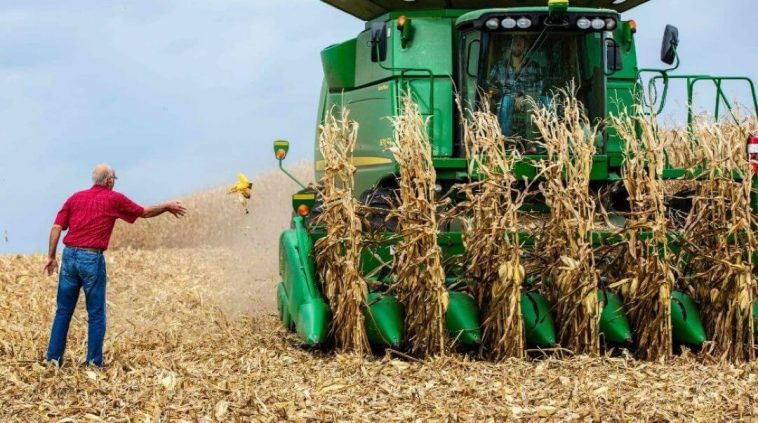
The President said these rules have distorted the market, making it nearly impossible for family farms to upgrade equipment without taking on crushing debt.

According to Trump, the Environmental Protection Agency will now work directly with the Department of Agriculture to strip out rules that serve paperwork instead of productivity.
“Farming equipment has gotten too expensive, and a lot of the reason is because they put these environmental excesses on the equipment which don’t do a damn thing except make it complicated, make it impractical,” Trump explained.
Trump also made it clear that this effort is not just about cutting red tape. He wants prices to fall.
“We’re going to say you’re going to reduce the prices,” Trump said.
Tier 4 Rules Blamed for Price Explosion
Farmers have long pointed to EPA Tier 4 emissions standards as a major reason equipment prices exploded over the past decade.
Those standards, rolled out between 2008 and 2015, require diesel engines to use diesel particulate filters, selective catalytic reduction systems, and advanced exhaust recirculation technology.
Jordan Dux of the Nebraska Farm Bureau Federation confirmed what farmers already know from experience. These systems add “tens of thousands to equipment” costs.
Beyond the initial price tag, the systems often create maintenance disasters. Sensor failures can cripple machinery at the worst possible times, leaving farmers stuck in the field while crops wait.
Under previous rules, malfunctioning emissions sensors could force engines to slow to near useless speeds before shutting down entirely.
Trump EPA Rolls Back Shutdown Rules
Earlier this year, the Trump administration began easing some of the most punishing enforcement mechanisms tied to these emissions systems.
In August, the EPA issued new guidance allowing equipment to continue operating for extended periods even when emissions faults are detected.
Instead of shutting down within hours, machines can now keep running for up to 4,200 miles or two additional work weeks.
Agriculture Secretary Brooke Rollins praised the move, calling it overdue relief for producers.
“This commonsense reform will allow our agricultural producers to spend more time in the fields than in the repair shop,” Rollins stated.
She added that the previous policy represented “a government regulation that ties the hands of farmers and ranchers.”
Equipment Makers Respond as Trump Applies Pressure
John Deere responded to Trump’s announcement by signaling cooperation.
“John Deere shares the Administration’s focus on reducing costs for our nation’s agricultural producers and consumers,” the company said. “We are doing all we can to help U.S. farmers reduce input costs.”
While manufacturers emphasize technology benefits, farmers continue to report that older pre emissions equipment now sells at premium prices simply because it avoids federal mandates.
Trump says he understands the issue personally.
“I know because I buy a lot of that machinery for different things. We have a lot of big clubs with hundreds, thousands of acres, and I buy a lot of stuff,” Trump said.
A Fight Over the Future of American Farming
Trump framed the issue as more than a regulatory dispute. He called it a fight for food security and rural survival.
Farmers are already battling rising fuel costs, higher fertilizer prices, labor shortages, and global trade disruptions. Expensive equipment has become the breaking point.
Trump argued that environmental extremists are willing to sacrifice family farms to protect rules that make tractors more expensive but do little for the environment.
His administration’s message is clear. American farms cannot survive if farmers cannot afford the tools they need.
By attacking the regulatory core of equipment inflation, Trump is betting that relief for farmers starts with restoring common sense to Washington and putting productivity back ahead of politics.

