
>> Continued From the Previous Page <<
The wording reflects a clear emphasis on long-term stability rather than a short-term pause in hostilities, with the White House signaling that additional diplomatic efforts are already underway to extend the truce beyond the initial 10-day window.
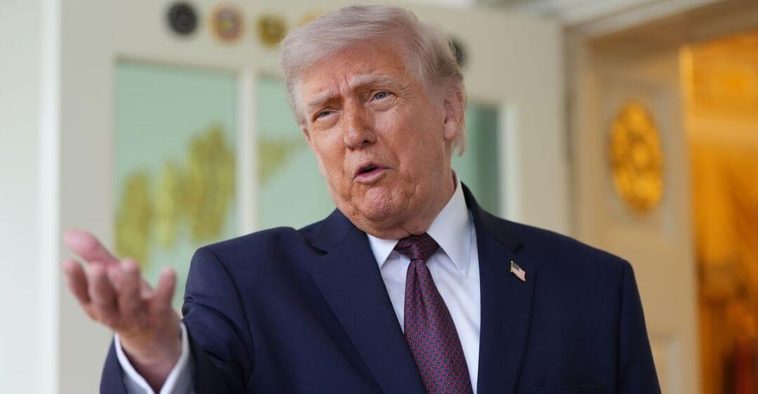
Further indicating continued U.S. involvement, Trump announced that Vice President JD Vance, Secretary of State Marco Rubio, and Joint Chiefs Chairman Dan Caine will “work with Israel and Lebanon to achieve a Lasting PEACE.” The inclusion of top national security and diplomatic officials suggests the administration is moving quickly to consolidate the ceasefire into a more durable agreement.

While the Israel–Lebanon breakthrough is drawing attention, another major geopolitical flashpoint is intensifying in parallel: the ongoing confrontation with Iran.
The most significant development centers on an expanding U.S. naval blockade targeting Iranian maritime activity. American forces have reportedly increased enforcement measures aimed at restricting access to Iranian ports, effectively disrupting shipping routes linked to the country’s trade networks. Multiple vessels have already been turned back, and officials have warned that attempts to breach the blockade could be met with force.
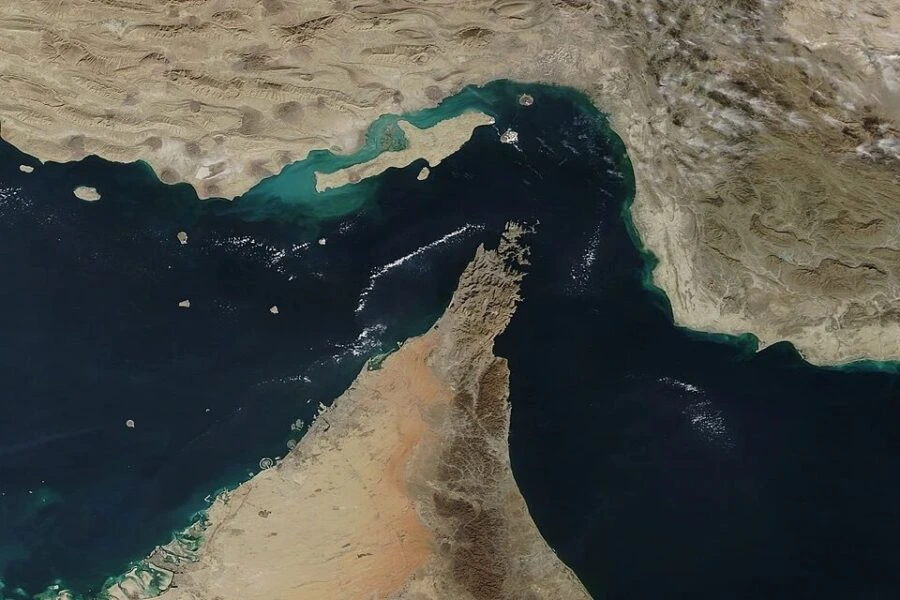
Early assessments indicate the pressure campaign is already having tangible economic consequences, particularly in relation to Iran’s oil exports, which remain a cornerstone of its national revenue. The disruption of maritime logistics is being described as one of the most aggressive economic containment efforts in recent years.

Inside Iran, signs of strain are beginning to surface. Tehran has reportedly halted petrochemical exports in an effort to stabilize its domestic supply chain after recent infrastructure damage from strikes. The decision points to growing internal pressure on Iran’s energy sector, with analysts suggesting that prolonged shutdowns would force deeper production cuts and further weaken the economy.
At the same time, the military dimension of the standoff continues to escalate. U.S. forces have expanded enforcement operations beyond the Persian Gulf region, signaling a willingness to target Iran-linked vessels in broader international waters if necessary. Defense officials have also issued warnings that additional escalation remains under consideration, including the possibility of strikes against remaining Iranian energy infrastructure should tensions continue to rise.
Despite the hardening posture, diplomatic channels have not been fully closed. Recent discussions between U.S. and Iranian officials reportedly stalled, but both sides have left room for continued negotiations, suggesting that backchannel diplomacy is still active even amid rising pressure.
For now, Iran finds itself under a dual-track squeeze—economic pressure from maritime restrictions and heightened military signaling from Washington—while the broader region watches closely for signs of either further escalation or a return to negotiations.
As the Israel–Lebanon ceasefire takes effect, it stands as a rare moment of de-escalation in an otherwise volatile geopolitical landscape, even as other fronts in the Middle East continue to heat up.

