

>> Continued From the Previous Page <<
Negotiators are targeting a finalized agreement as early as this fall—timed to beat the 90-day flexibility window in Trump’s new trade policy. “Trade talks with India over tariffs were coming along great,” President Trump told reporters Tuesday. “We’ll reach an agreement.”
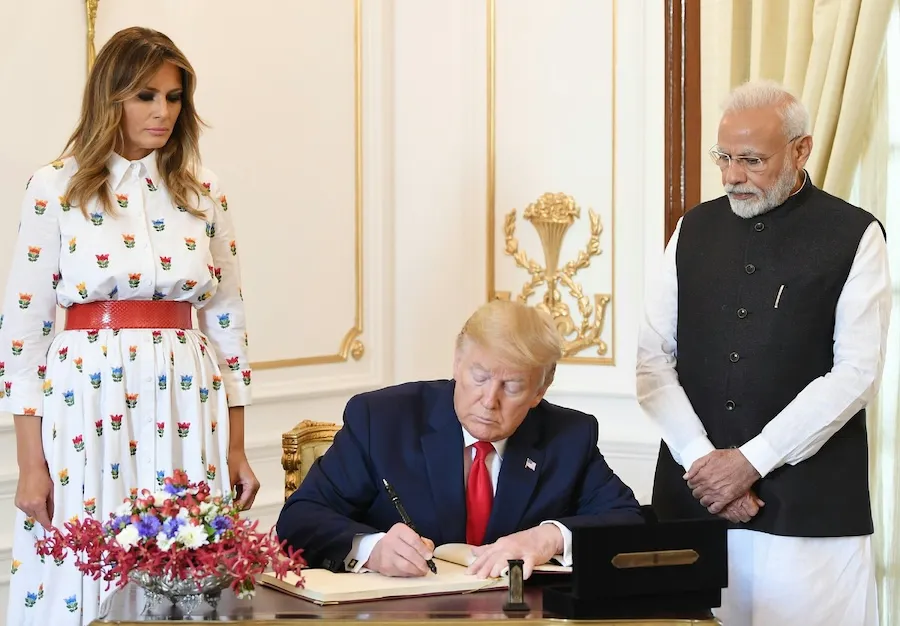
Trump hinted just days earlier that “new trade breakthroughs could be coming within days,” and it appears India is racing to get to the front of the line—alongside South Korea and Japan—before new tariffs kick in full force.

The Indian proposal doesn’t just cover imports. It could also resolve a long-standing thorn in U.S.-India relations: the controversial Quality Control Orders (QCOs). These domestic Indian regulations have exploded from 14 in 2014 to over 140 today—creating costly hurdles for both foreign and domestic producers. U.S. officials have criticized them as “opaque and discriminatory.”
But now, India is reportedly willing to revisit those standards—particularly in the chemical and medical device sectors—and is considering a mutual recognition pact that would let both countries honor each other’s regulatory certifications. That would be a major step toward removing red tape and boosting U.S. exports into one of the world’s most populous markets.
This turn of events follows a months-long offensive by Trump’s trade team to reshape the global playing field. In April, the U.S. slapped a 26% retaliatory tariff on Indian imports, citing the country’s sky-high average tariff rate of 52% on American goods. That came on top of a sweeping 10% tariff Trump imposed on all foreign imports under the International Emergency Economic Powers Act.
The message was clear: deal with us, or pay the price.
India got the message. Industries across the subcontinent—from pharmaceuticals to electronics—have felt the squeeze. Indian diamond exporters, centered in Surat, saw a 17% drop in sales, triggering fears of mass job losses. Meanwhile, U.S. officials warned that tariffs on Indian generic drugs alone could inflate American healthcare costs by as much as $51 billion a year.
To deescalate, India had already begun chipping away at specific tariffs, including lowering duties on Harley-Davidson motorcycles and bourbon—two iconic American exports often tied to political optics. But this latest offer blows past symbolism and goes straight for substance.
Raise a Toast with the Bulletproof Trump Whiskey Glass – A Patriotic Statement Piece
If finalized, the agreement could deliver a windfall for American manufacturers, a price break for U.S. consumers, and a signature foreign policy win for Trump. More importantly, it would prove that his unapologetic use of economic leverage works—not just as a deterrent, but as a negotiation tool.
Nothing is set in stone yet, but the direction of talks is unmistakable: India’s ready to deal. And if this breakthrough holds, President Trump’s gamble on tariffs may turn out to be one of the most effective trade strategies in decades.
As Trump himself said, “Trade talks with India over tariffs were coming along great.”
The results speak for themselves.

