
>> Continued From the Previous Page <<
The spike reflects widespread fears that the deepening conflict could severely disrupt oil shipments from one of the world’s most important energy regions. The Middle East accounts for a massive share of global crude exports, and even the perception of instability can send markets into panic mode.
According to data reported by Google Finance, the ongoing conflict has already created a staggering supply deficit.

“Global oil supplies are currently falling approximately 20 million barrels per day short of requirements due to the conflict. Regional producers like Kuwait and Iraq have curtailed output, with Iraqi production reportedly falling by about 70% in key fields as shipping risks escalate.”
Energy analysts say the numbers reveal just how vulnerable global supply chains remain when conflict spreads through major oil-producing regions.
The turmoil comes as Iran reportedly scrambles to rebuild portions of its missile production network and proxy operations — infrastructure that U.S. forces and allied militaries have been steadily targeting in recent strikes. Military officials say repeated operations have degraded several of Tehran’s key logistical capabilities in recent weeks.
The conflict widened further over the weekend when Israel launched its own operation targeting Iranian energy infrastructure.
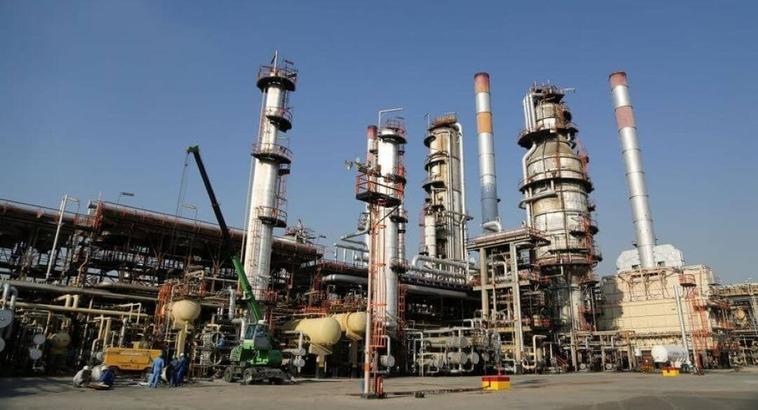
According to reports from Israel’s public broadcaster KAN, the Israeli Air Force carried out strikes Saturday night against oil storage depots and refinery facilities located in Tehran. Israeli officials later confirmed that the mission focused on fuel infrastructure believed to be supporting Iranian military operations.
The attack immediately triggered retaliation from Tehran. Iran’s Islamic Revolutionary Guard Corps, commonly known as the IRGC, claimed it launched missile strikes toward the Haifa refinery in Israel in response to the operation.
The exchange marks another dangerous escalation in the ongoing standoff, raising concerns that the confrontation could spiral into a broader regional conflict.
Despite the spike in fuel prices and rising global anxiety, President Donald J. Trump signaled he remains firmly committed to the strategy aimed at dismantling Iran’s nuclear ambitions.
In a post shared Sunday evening on Truth Social, Trump argued that temporary economic pain is a small price to pay for long-term global security.
“Short term oil prices, which will drop rapidly when the destruction of the Iran nuclear threat is over, is a very small price to pay for U.S.A., and World, Safety and Peace. ONLY FOOLS WOULD THINK DIFFERENTLY!”
Supporters of the administration say the broader strategy goes beyond simply neutralizing nuclear facilities. Officials argue the long-term objective is to prevent Iran’s vast oil wealth from continuing to fund militant groups and destabilizing activities across the region.
Earlier in the week, White House official Jarrod Agen explained that the administration’s vision includes ultimately securing Iran’s enormous energy reserves from groups tied to terrorism.
According to Agen, the temporary disruption in global markets is a strategic sacrifice that could produce lasting geopolitical advantages for the United States and its allies.
“This is a long-term gain because what we want to do is get such massive oil reserves in Iran out of the hands of terrorists,” Agen said.
“What we’re going to experience here in the short term is highly outweighed by the long-term benefit because ultimately, we’re not going to have to worry about these issues in the Strait of Hormuz because we’re going to get all of the oil out of the hands of terrorists.”
With oil prices surging and tensions intensifying across the Middle East, energy markets — and the world — are now watching closely to see whether the conflict expands further or begins to stabilize in the coming days.

