
>> Continued From the Previous Page <<
For the Catholic institutions involved, that condition crosses a line.
They argue the state is not simply regulating access to funding, but actively pressuring them to abandon long-held religious beliefs about marriage and family. In their view, the government is placing faith-based schools in an impossible position: comply with state ideology or lose access to public programs.

On the other side, Colorado officials insist the rule is neutral and universal.
Their argument is simple. If an organization chooses to participate in a taxpayer-funded program, it must follow the same rules as everyone else. No exceptions.
Lower Courts Back the State
So far, the legal system has sided with the state.
Lower courts ruled that Colorado’s policy is “generally applicable,” meaning it does not specifically target religion. Because of that, they concluded the rule is constitutional under current legal standards.
But that may not be the final word.
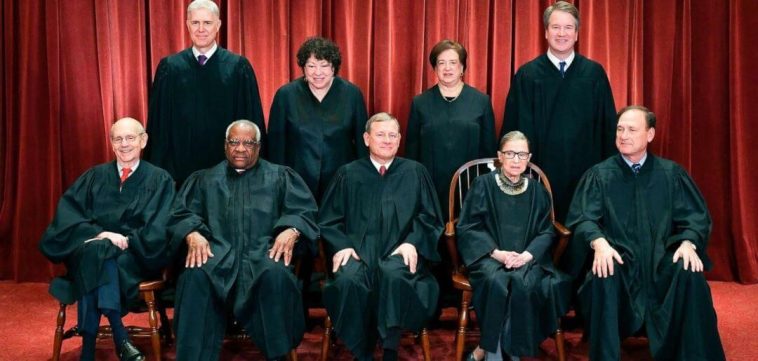
Now that the nation’s highest court has agreed to hear the case, everything is back on the table.
A Potential Turning Point for Religious Rights
This case goes far beyond two preschools in Colorado.
At its core is a much bigger question. How far can the government go in enforcing broad laws when they conflict with religious beliefs?
For decades, courts have relied on a key precedent that allows neutral laws to apply even when they burden religious practices. That standard has limited the ability of religious groups to claim exemptions.
Now, that precedent itself could be in jeopardy.
With a conservative-leaning majority, the Supreme Court has increasingly shown openness to arguments from religious plaintiffs. In recent years, the justices have repeatedly ruled in favor of faith-based organizations, especially in cases involving education, parental authority, and access to public benefits.
This new case could accelerate that trend.
Nationwide Impact on the Horizon
Legal experts say the outcome could ripple across the country.
If the Court sides with the Catholic schools, states may face new limits on attaching conditions to public funding. Governments could be forced to carve out religious exemptions, even in programs designed to enforce uniform standards.
But if the Court backs Colorado, it would reinforce the current framework. That would mean religious institutions must comply with broad nondiscrimination laws if they want access to taxpayer-supported programs.
Either way, the decision will carry major consequences.
Faith-based schools, charities, and organizations nationwide are watching closely.
What Comes Next
The Supreme Court is expected to hear arguments in its upcoming term, setting the stage for a ruling that could reshape the balance between religious liberty and government authority.
The stakes are clear.
At issue is whether religious institutions must bend their beliefs to participate in public life or whether the Constitution protects their right to stand firm, even at a cost.
The answer could redefine the boundaries of religious freedom in America for years to come.

