
>> Continued From the Previous Page <<
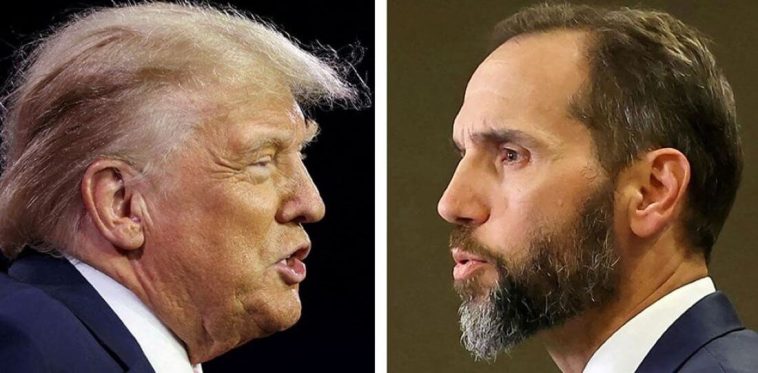
The origins of this case trace back to earlier this year when the Supreme Court agreed to review Trump’s claim to immunity in relation to actions during his presidency, as challenged by Special Counsel Jack Smith. This came after a federal appeals court previously denied Trump’s claims for immunity, an assembly which included judges appointed by President Joe Biden.
Trump’s legal team has robustly argued the significance of this case, stating, “In 234 years of American history, no president ever faced criminal prosecution for his official acts. Until 19 days ago, no court had ever addressed whether immunity from such prosecution exists,” according to a statement last month referenced from CBS News. “To this day, no appellate court has addressed it. The question stands among the most complex, intricate, and momentous issues that this Court will be called on to decide.”

Previously, a three-judge panel from the DC Circuit Court of Appeals, comprising two Biden appointees and one appointee by George W. Bush, had rejected Trump’s immunity claim. Their collective opinion highlighted the public interests and historical precedents against such immunity, emphasizing, “We conclude that ‘concerns of public policy, especially as illuminated by our history and the structure of our government’ compel the rejection of his claim of immunity in this case,” as they penned in their ruling.
Brutal “Pocket Weapon” Stops Hearts (discounted for next 78)
This Supreme Court ruling not only delays the impending trial against Trump but also sets a significant precedent regarding the legal liabilities of U.S. Presidents post-tenure. As the implications of this ruling continue to unfold, the political and legal communities are poised to reassess the boundaries of presidential actions and their consequent immunities. The decision marks a pivotal moment in U.S. legal history, delineating the scope of accountability for the highest office in the nation.

