
>> Continued From the Previous Page <<
On Friday, President Trump suggested that the U.S. might accomplish a “friendly takeover” of Cuba. This approach could mirror America’s handling of Venezuela, where the military removed key leaders while leaving much of the regime in place, contingent on cooperation with U.S. economic demands.
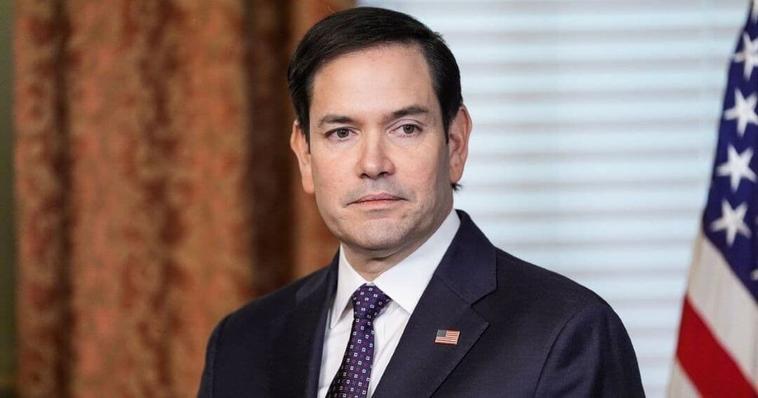
Leading the administration’s Cuba strategy is Secretary of State Marco Rubio, who is reportedly in discussions with the grandson of Raúl Castro, the 94-year-old de facto head of the authoritarian government.

Raúl Guillermo Rodriguez Castro, Castro’s grandson, is believed to serve as both his bodyguard and the manager of GAESA, the powerful military conglomerate controlling Cuba’s armed forces and a large portion of its economy. According to the Miami Herald, GAESA had approximately $18 billion in previously undisclosed assets and bank accounts in 2024.
The discussions reportedly occurred this past week at the regional Caribbean conference Caricom in St. Kitts and Nevis. While meetings with Castro’s inner circle signal serious U.S. engagement, Rubio emphasized that immediate regime change is not on the table.
“Cuba needs to change. It needs to change. And it doesn’t have to change all at once,” Rubio told reporters Wednesday.

The Cuba strategy unfolds alongside a parallel U.S.-Israeli campaign against Iran, which began on Saturday. White House Press Secretary Karoline Leavitt confirmed that Rubio briefed senior congressional leaders ahead of the operation, addressing concerns that Trump acted without proper authorization.
“President Trump monitored the situation overnight at Mar a Lago alongside members of his national security team. The President spoke with Prime Minister Netanyahu by phone,” Leavitt wrote on X.
“Prior to the attacks, Secretary Rubio called all members of the gang of eight to provide congressional notification, and he was able to reach and brief seven of the eight members,” she added. “The President and his national security team will continue to closely monitor the situation throughout the day.”
House Speaker Mike Johnson (R-La.) confirmed that the “Gang of Eight”—which includes congressional leaders and intelligence committee heads—had been briefed. “The Gang of Eight was briefed in detail earlier this week about potential military action against Iran,” Johnson said, according to The Independent.
While the 1947 National Security Act requires Congress to be “fully informed” of intelligence activities, presidents from both parties have interpreted this to mean briefing the Gang of Eight satisfies the obligation, rather than notifying full intelligence committees.
Leavitt’s statement followed criticism from Rep. Thomas Massie (R-Ky.), who warned on X about “Acts of war unauthorized by Congress.” Massie and Rep. Ro Khanna (D-Calif.) had planned a vote restricting Trump’s ability to strike Iran without formal congressional approval.
Meanwhile, Rubio announced that Iran had been officially designated a state sponsor of wrongful detention. He noted that Trump signed an executive order last fall protecting U.S. citizens from wrongful detention abroad, which Congress later reinforced through the Countering Wrongful Detention Act of 2025.
Rubio also signaled potential new measures if Iran “does not stop,” including travel restrictions for U.S. citizens using passports to, through, or from Iran.
The combination of strategic pressure on Cuba and tough action against Iran underscores the Trump administration’s commitment to confront hostile regimes and protect American interests abroad.

