
>> Continued From the Previous Page <<
Officials speaking through proper channels have attempted to strike a careful balance. When pressed, military leadership avoided direct answers, instead referring questions back to civilian leadership. Meanwhile, White House press secretary Karoline Leavitt emphasized that planning does not equal action, stating, “It’s the job of the Pentagon to make preparations in order to give the Commander in Chief maximum optionality, it does not mean the President has made a decision, and as the President said in the Oval Office yesterday, he is not planning to send ground troops anywhere at this time.”
Still, the level of preparation described by insiders paints a picture of a military bracing for escalation. Reports indicate that planning sessions have already tackled sensitive issues such as the handling of captured Iranian personnel or affiliated fighters. Discussions have included detention logistics and protocols, suggesting that officials are thinking well beyond limited strikes or defensive postures.

At the same time, rapid deployment forces are being positioned for potential action. Elements of the Army’s 82nd Airborne Division, known for its ability to mobilize quickly into volatile environments, are reportedly being readied for possible deployment. This elite unit is frequently used in high-risk missions where speed and flexibility are critical.
In addition to airborne troops, broader force readiness appears to be underway. The Pentagon is said to be tapping into its Global Response Force and coordinating with Marine Expeditionary Units, signaling a multi-branch approach that would allow for sustained operations if necessary.
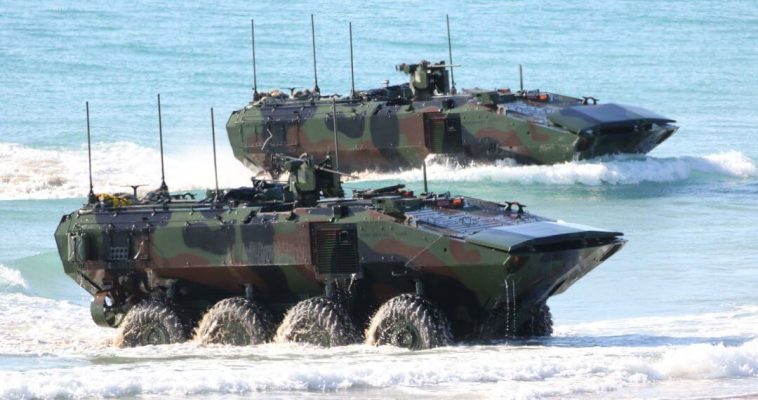
Perhaps most notably, significant Marine movement is already in progress. U.S. naval assets carrying approximately 2,200 Marines have departed from California, marking the second such deployment since tensions escalated. Another group of forces from the Pacific region is still en route, with full positioning expected to take additional time.
These developments, taken together, suggest that the Pentagon is not merely reacting but actively preparing for a wide range of contingencies. From rapid-response airborne units to forward-deployed Marines, the military appears to be ensuring that it can respond decisively if ordered.
For now, the administration continues to walk a careful line, publicly signaling restraint while quietly expanding its range of options. Whether this posture is meant to deter Iran, reassure allies, or prepare for a worst-case scenario remains an open question.
What is clear, however, is that the groundwork is being laid. And if the situation deteriorates further, the infrastructure for a major escalation may already be in place.

