
>> Continued From the Previous Page <<
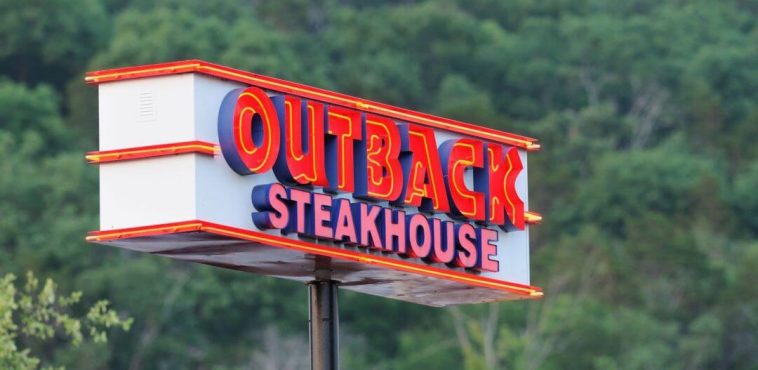
This wave of shutdowns follows a previous round in early 2024 when the chain eliminated forty one underperforming locations. Management blamed older properties and “strategic restructuring,” but anyone watching the economy knew better. Years of rising costs destroyed the environment these restaurants needed to survive.
Outback’s parent company tried to spin the situation by calling it a “comprehensive turnaround strategy,” but the numbers are brutal. The chain has not reported two full years of positive same-store sales. That downturn happened right as inflation hit its highest point in decades.

Most Americans do not need a corporate report to understand why. Grocery prices soared. Gas prices soared. Families that used to celebrate birthdays and anniversaries at Outback suddenly stayed home because they could not justify a steak dinner when the electric bill was past due.
The company’s stock price reflects that reality. Shares crashed 58 percent in the final year of the Biden Harris administration, tumbling from 16 point 76 to just 6 point 94. When investors flee that quickly, it means the consumer base has been pushed past its breaking point.
A Hard Truth Corporate Executives Avoid Saying Out Loud
The real issue is purchasing power. Middle class families have been beaten down by the worst inflation many have ever seen. And Washington acted like stock market highs were the only thing that mattered.

When everyday groceries cost nearly a third more than they did a few years ago, nobody is lining up for 25 dollar steaks and 8 dollar appetizers. They stay home, boil ramen, and hope their paycheck stretches far enough to survive the month.
Outback’s financial struggles highlight the problem. Bloomin’ Brands is carrying roughly 867 million dollars in net debt and a leverage ratio over four times earnings. That is not a position a restaurant chain wants to be in when its customers are out of cash before Friday.
Wall Street noticed too. Analysts at UBS wrote that “restaurant stocks look broken right now,” citing “particularly challenging trading conditions” that marked the final months of Biden Harris policies. Even companies that posted decent earnings were punished because investors knew consumers were tapped out.
Not even value meals could save the day. Outback’s attempt to compete with lower cost chains went nowhere because too many families cannot even afford the drive to get there.
Another Industry Pushed To The Brink
This crisis did not stop with Outback. The entire casual dining sector is in a historic collapse. Restaurant bankruptcies jumped fifty percent in 2024. Red Lobster shut its doors. TGI Fridays filed for bankruptcy. Buca di Beppo turned to Chapter 11.
These were iconic American brands with decades of customer loyalty. They were not mismanaged start ups. They were victims of an economic environment shaped by politicians who insisted their intervention would “help working families” even as those families fell further behind.
Now The Cleanup Begins
President Trump walked back into the Oval Office facing an economy wounded from four years of inflation, reckless spending, and policies that rewarded corporate elites while hollowing out the middle class.
The collapse of beloved chains like Outback shows the damage. Every shuttered location represents missed birthday parties, canceled anniversaries, and parents who wanted to give their kids a nice night out but now cannot.
It will take rejecting the Swamp’s failed economic playbook and restoring real purchasing power if families are ever going to enjoy nights like that again.

