
>> Continued From the Previous Page <<
A System Leaving Tens of Thousands Behind
Every year, roughly 20,000 young Americans age out of foster care and are pushed into adulthood without the traditional support systems most people take for granted.
No parents to call. No consistent housing. Often no financial stability.

The outcome is predictable and devastating.
Within four years of aging out, nearly one in three former foster youth experience homelessness. By age 24, only about half are able to maintain steady employment. Even more alarming, fewer than 12 percent ever earn a college degree — a stark contrast to the nearly 49 percent rate among their peers.
These are not new statistics. They have been circulating in federal reports and academic studies for years. What stands out is the lack of meaningful reform despite decades of warnings.
Congress created the Chafee program in 1999 as a solution. But after its passage, momentum faded. The system largely remained untouched for 27 years.
A January 2025 report from the Government Accountability Office added a troubling layer: states were returning millions in unused Chafee funds to the federal government even as foster youth continued to age out into homelessness and instability.
In other words, the resources existed — but the system failed to deliver them where they were needed.
Melania Trump’s Expanding Push on Foster Youth Reform
First Lady Melania Trump has been steadily building a national focus on foster care reform since 2021 through her “Be Best” initiative and the expanded “Fostering the Future” effort.
Unlike symbolic campaigns that fade after press cycles, her involvement has taken shape through policy, funding, and institutional coordination.
One of the most significant developments came in November 2025, when she helped organize an executive order titled “Fostering the Future for American Children and Families”, which directed federal agencies to work alongside private sector partners, universities, and nonprofit organizations to build real pathways for foster youth transitioning into adulthood.
Her efforts have also secured concrete financial support. In May 2025, she helped push $25 million into the FY26 budget for the Department of Housing and Urban Development’s Foster Youth to Independence program, which provides housing assistance for young adults leaving foster care before age 25.
By March 2026, she expanded the initiative globally, hosting representatives from 45 nations at a State Department summit focused on coordinated foster care reform through the “Fostering the Future Together Global Coalition.”
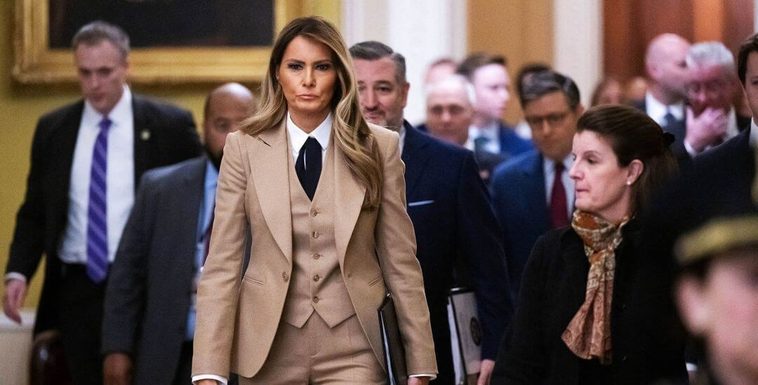
This week’s Capitol Hill roundtable represents the next step: legislative action.
Lawmakers Move to Modernize Chafee After Decades of Delay
Momentum in Congress is now building behind a bipartisan package introduced in March 2026 by House Ways and Means Chairman Jason Smith of Missouri.
The legislation emerged after multiple hearings where foster youth themselves described gaps in the system that many lawmakers admitted were long ignored.
The proposals would update Chafee funding rules to allow states to spend money on housing-related services — a category currently restricted by outdated guidelines that often prevent funds from being used where they are most needed.
The package would also raise Education and Training Vouchers from $5,000 to $12,000. That figure has not been adjusted since 2001, despite rising tuition and living costs.
Today, only one in three eligible foster youth who attend college actually receive those vouchers. The rest are left to cover expenses on their own or abandon higher education entirely.
The reforms would also expand eligibility beyond traditional four-year colleges to include vocational training and workforce certification programs — an acknowledgment that skilled trades can offer a stable future for young adults entering independence.
Chairman Smith summarized the effort, stating: “This legislative effort is consistent with her focus on foster youth and builds on committee activity,”
Committee leaders have already described the package as the most significant update to Chafee since its creation in 1999.
A Long-Delayed Reckoning
Supporters of the reform argue that the issue is not a lack of awareness, but a lack of urgency over decades.
Critics of past administrations point out that while Congress and the White House focused heavily on major legislative priorities over the years, the foster care transition system remained largely untouched.
During years when both parties controlled Congress and the White House at different times, Chafee funding structures remained frozen. No major overhaul passed. No sweeping modernization was enacted.
Meanwhile, thousands of young people continued aging out of the system each year into unstable housing situations, financial hardship, and limited educational opportunity.
A Turning Point for Foster Care Policy?
Whether this moment becomes a true turning point will depend on what Congress ultimately passes.
But for the first time in decades, the foster care transition system is receiving sustained national attention at both the policy and executive levels.
And with Melania Trump now directly engaged in legislative discussions, supporters say the issue is finally being treated with the urgency it has long lacked.
For thousands of young Americans leaving foster care each year, that shift cannot come soon enough.

