
>> Continued From the Previous Page <<
Realtor Holly Dake explained to the Daily Mail exactly why Tryon stands out.
“It’s just always been that way, the town calls itself that, everyone helps everyone out around here,” she said. “We’re kind of the best kept secret out there.”¹
In other words: the formula the media claims is dead is alive and well.

Growth Fueled by Community, Not Bureaucrats
The town is attracting buyers at a pace most rural regions could only dream about.
Homes sold for a median price of $490,000 this past May, jumping 25 percent from the year before.²
People aren’t moving there for tax credits or trendy “revitalization grants.”
They’re moving there because Tryon offers something most American cities have lost: the ability to know and trust your neighbors.
And despite rising home values, the overall cost of living sits roughly 10 percent under the national average.³
In a time when big blue cities are pricing out their own residents, Tryon is delivering stability the federal government couldn’t engineer if it tried.
The town’s charming downtown earned a spot on the National Register of Historic Places in 2015, yet it wasn’t rescued by federal planners. It was preserved by locals who still take pride in their streets.⁴
Walk through Tryon and you’ll notice something else missing: the soulless corporate chains that swallowed small-town America everywhere else.⁵
Mom-and-pop shops, family cafés, and boutique stores are still the backbone here — because the community actually supports them.
A Heritage the Experts Said Couldn’t Survive
Tryon’s equestrian culture has become a defining force and economic lifeline, even though “experts” swore those traditions would fade away.
The Tryon International Equestrian Center, featuring 10 arenas, over 1,000 stalls, dining, and retail, now hosts riders and spectators from around the globe.⁶⁷
It even held the 2018 World Equestrian Games.
Meanwhile, the Block House Steeplechase has run every single year since 1946.⁸
That kind of continuity exists only in places where people fight to preserve what matters.
The region’s vineyards tell the same story. Prohibition wiped out the area’s early winemaking families, but locals revived the tradition themselves — no government directive needed.
Today, Overmountain Vineyards spans 70 acres and welcomes visitors for tastings, events, and mountain trail access.¹⁰
Pearson’s Falls adds to the region’s natural beauty with its 90-foot waterfall, maintained entirely through visitor fees rather than state funding.¹¹
Tryon takes care of its treasures instead of waiting for politicians to do it.
Honoring a Jazz Legend Without the Culture War Theater
Tryon is also the birthplace of Nina Simone, born Eunice Waymon in a modest home in 1933.¹²
The jazz icon learned piano in that tiny residence long before she became a global musical force.
When her childhood home faced demolition in 2017, it wasn’t a woke corporation or federal task force that saved it.
Four New York artists saved the property, buying it for $95,000 and teaming with preservation groups — and her own family — to restore it.¹³
The National Trust for Historic Preservation later declared it a National Treasure.¹⁴
A bronze sculpture downtown depicts Simone playing piano, complete with a bronze heart containing her ashes welded inside.¹⁵
It’s a meaningful tribute without the Hollywood theatrics.
A Town That Solves Its Problems Without Waiting for Washington
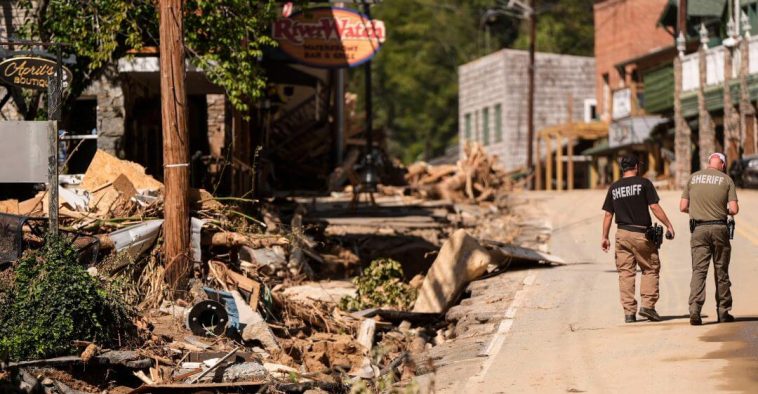
Tryon sits 45 miles from Asheville and survived Hurricane Helene in 2024 thanks to — once again — neighbors helping neighbors, not FEMA photo ops.¹⁶
Mayor Alan Peoples summed up the local spirit well.
“In Tryon, you can do what you want to within reason. You can be who you want to. We’re the friendliest town in the South.”¹⁷
That’s the kind of freedom Americans crave and government can’t manufacture.
Locals maintain their own parks, cultural sites, and gathering places.¹⁸
They run the Tryon Fine Arts Center, the Tryon Theatre, and host a full calendar of festivals — including a film festival and a beer festival.¹⁹
And standing proudly since 1928 is Morris the Horse, a giant wooden toy horse honoring Tryon’s historic toy workshop.²⁰
The business faded, but the town never erased its roots.
Traditional America Still Works — and Tryon Proves It
Tryon isn’t perfect. No town is.
But unlike the vision pushed by elites, this mountain community shows that tradition, self-reliance, and neighborly responsibility create stronger, happier places than any federal spending program ever could.
It’s the America millions still miss.
And in Tryon, it’s still real.

