
>> Continued From the Previous Page <<
Further intensifying the courtroom drama, when Cannon inquired whether Attorney General Merrick Garland had a hand in the indictment process, Smith’s prosecutor, James Pearce, declined to respond, citing policy constraints. This non-disclosure sparked another query from Cannon, probing why it was problematic to confirm Garland’s involvement.
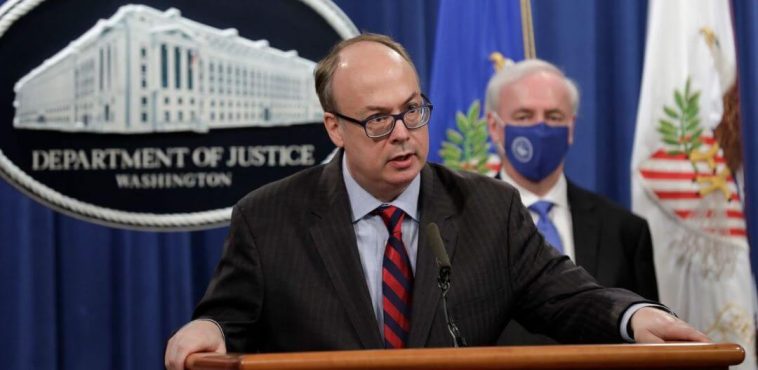
Jeff Clark criticized the constitutionality of Smith’s appointment, likening his combined powers to those of the superhero Shazam, yet without the requisite Senate confirmation. Clark highlighted a significant “constitutional problem” if Smith operated autonomously from the executive branch oversight of both Garland and the President.

Expanding on his critique, Clark expressed concerns during a Sunday analysis about the overarching reach of Smith’s authority, which unlike typical U.S. Attorneys with limited geographical jurisdictions, spans the entire nation. He argued that this extensive power contradicts both the constitution and legislative intentions, essentially bypassing the established process for appointing U.S. Attorneys who are subject to presidential nomination and Senate confirmation.
Additionally, Clark pointed out that the role of Special Counsels, created through mere regulatory actions by the Attorney General, fundamentally undermines the principles outlined by Congress. This act, according to Clark, allows the Attorney General to circumvent both the Constitution and Congressional mandates through administrative regulations. This, he claims, reduces the role of U.S. Attorneys to mere statutory figures, further distorting the constitutional framework and legislative oversight.
Carry 46 rounds concealed? (comfortably)
This ongoing legal battle not only questions the procedural legitimacy of appointing special counsels but also challenges the structural integrity of U.S. governance, suggesting potential overreaches by the Department of Justice. As the judiciary contemplates these arguments, the implications of their decision could redefine the boundaries of executive power and administrative accountability in profound ways.

