
>> Continued From the Previous Page <<
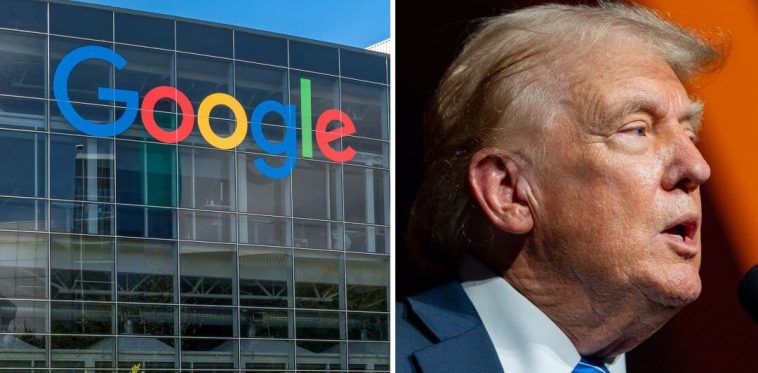
“The Committee and Select Subcommittee [on the Weaponization of the Federal Government]’s oversight has shown how the federal government has coerced or colluded with technology, social media, and other companies, including Alphabet, to moderate content online,” Jordan wrote. He further emphasized that recent reports suggest Google may be meddling in the 2024 presidential election by censoring information about Trump’s ongoing campaign, particularly the July 13 assassination attempt.
In response, Google’s counsel provided the Committee with internal information about the search engine’s issues and offered a private briefing to explain the situation further. However, the explanations given during this briefing did little to assuage concerns. Google’s legal team admitted that queries about the assassination attempt should have generated results but failed due to “out of date” protections against political violence.

Moreover, when it was revealed that Trump’s name was not appearing in autocomplete searches, Google attributed this to a “bug.” Similarly, when users searched for Trump but were presented with news about Vice President Kamala Harris, the company dismissed the discrepancy as another “unexpected or imperfect” prediction caused by bugs.
These explanations, however, have been met with skepticism. “Bugs will occur” is a convenient excuse, but it does not address the underlying issue of how these bugs came to be in the first place. Software engineers at Google created the algorithms that led to these so-called “errors,” and many are questioning whether these issues are truly accidental or if they reflect a deeper bias within the company.
Rep. Jordan, in his letter, asked Pichai a series of pointed questions, seeking reassurance that similar issues would not arise in the future. The most pressing question was: “How can the American people be confident that a similar issue, whether intentional or not, will not occur again?”

For many, the answer is clear: they cannot be confident, especially when dealing with a company as powerful and influential as Google. The search giant’s track record, combined with its admitted censorship, raises serious concerns about the potential for election interference, particularly in favor of one political party.
This controversy comes at a particularly tumultuous time for Google, as the company faces a major antitrust lawsuit. Despite the legal challenges, one might expect some form of public apology or acknowledgment of the gravity of the situation. Instead, Google’s response has been largely dismissive, offering little more than a vague promise to “fix that.”
Carry 46 rounds concealed? (comfortably)
What makes this situation even more alarming is that it involves not just one significant error—burying news about an assassination attempt—but also the broader issue of erasing an entire administration and potentially manipulating information about the GOP presidential candidate.
If such actions were occurring outside the United States or against the interests of the Democratic Party, the outcry from politicians like Senator Elizabeth Warren would likely be deafening. Yet, in this case, the response from liberal Washington has been notably silent, leading many to speculate about the reasons behind this selective outrage.
Ultimately, the recurring pattern of algorithm errors that consistently disadvantage conservative figures raises uncomfortable questions about the political leanings of Google as a corporate entity. As the 2024 election approaches, these concerns are only likely to intensify, with many Americans left wondering whether they can trust the information they receive from one of the world’s most powerful tech companies.

