
>> Continued From the Previous Page <<
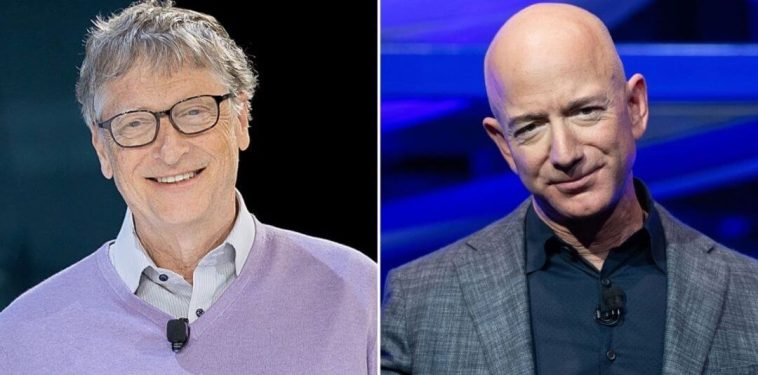
Not to be outdone, Jeff Bezos is also pouring millions into similar projects. The Bezos Earth Fund recently announced a $9.4 million investment into methane-reduction research. Partnering with institutions like the Royal Veterinary College and the Pirbright Institute, Bezos aims to slash methane emissions from livestock by over 30% using cutting-edge biotechnology. These technologies include genetically modified bacteria and advanced antibody research.
Dr. Andrew Steer, President and CEO of the Bezos Earth Fund, expressed enthusiasm for the initiative, calling it a bold endeavor with transformative potential. “Vaccines have proven to be incredibly effective in global health, and if we can apply this approach to cattle, the potential for reducing emissions is immense,” Steer said. He also emphasized the fund’s commitment to “high-risk, high-reward projects” in the fight against climate change.

Livestock are among the largest sources of methane, a potent greenhouse gas linked to climate change. Gates and Bezos, alongside other investors, are advocating for scalable solutions to address the issue. According to the Bezos Earth Fund, these solutions range from genetic modifications and improved feed to enhanced ranch management practices. However, the development of a vaccine is being hailed as the most cost-effective and universal approach to combating emissions.
The vaccine project involves two main components. Researchers at the Royal Veterinary College, in collaboration with Spain’s Consejo Superior de Investigaciones Científicas (CSIC), are studying how methane-producing microbes colonize the digestive systems of calves. Using advanced tools such as multi-omics and immunology, they aim to understand and manipulate these early microbial interactions.
Meanwhile, the Pirbright Institute and AgResearch are focusing on vaccine development. Their work involves isolating antibodies from immunized cattle and testing their effectiveness against methane-producing microbes. By establishing proof of concept, they hope to pave the way for a global initiative to deploy methane vaccines across the agricultural sector.

But many view this as part of a larger effort by global elites to reshape food production under the guise of climate change. In 2021, Gates made headlines for becoming the largest private farmland owner in the United States. This consolidation of agricultural power has already raised concerns about control over the food supply. Now, with Gates and Bezos funding livestock vaccine research, fears of centralized agricultural control are intensifying.
Gold at $2,600… But This Stock Gives You More for Under $20
Critics argue that these initiatives do more than combat emissions—they fundamentally change the dynamics of food production. While proponents tout the vaccines as scalable and cost-effective solutions, opponents question whether farmers and ranchers will be left with any autonomy in managing their operations.
This latest effort is yet another flashpoint in the ongoing debate over the role of billionaires and global organizations in dictating environmental and agricultural policies. Whether these “climate vaccines” will revolutionize the fight against methane emissions or serve as a tool for further control remains to be seen. But for now, Gates and Bezos are forging ahead, sparking heated discussions across the farming and political spectrum.

