>> Continued From the Previous Page <<
Superintendent Kevin Swartz broke it down in terms local taxpayers could easily understand. If the district were to replace just two buses per year at those inflated costs, it would add roughly $600,000 annually to the budget. And that figure doesn’t even include the additional expense of installing and maintaining charging infrastructure.
For a small, rural district like Naples, that kind of financial burden simply isn’t sustainable.

The conclusion was unavoidable: they’re stepping away from purchasing more electric buses.
Winter Exposes the Weakness
If the price tag wasn’t enough, winter conditions delivered another harsh blow to the program’s credibility.
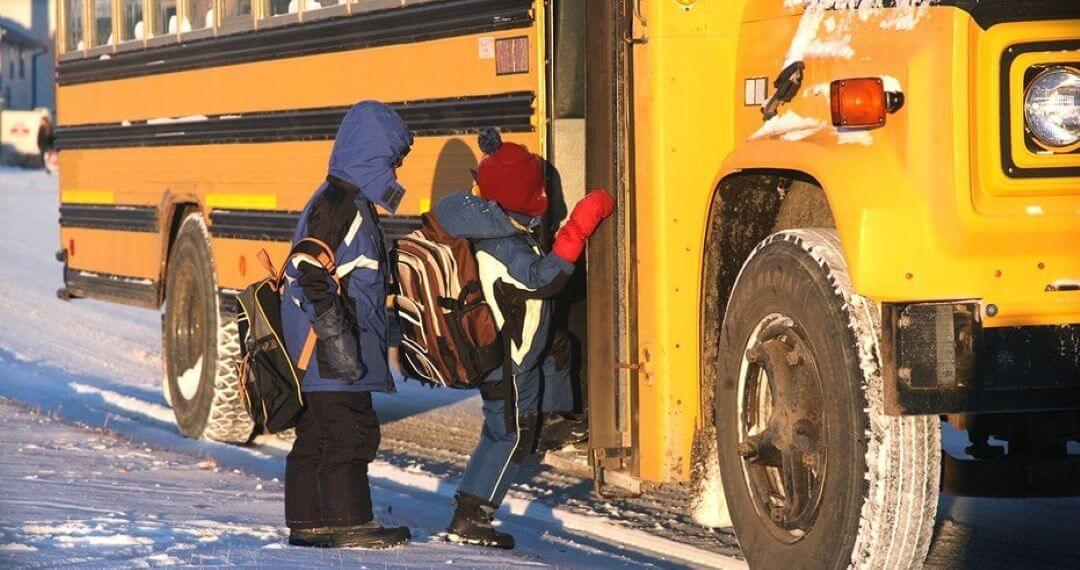
Speaking to local outlet News10NBC, Elwell revealed that his district parked the electric buses for roughly half the winter season. The reason was simple—battery performance couldn’t keep up with the cold.
About 20 percent of a bus’s battery charge was being used just to keep the interior warm. That meant routes couldn’t be completed without stopping to recharge, creating logistical headaches and delays.
Elwell summed it up bluntly: “The technology is not there, the batteries are not there.”
Electric buses reportedly operate best within a temperature range of 20 to 80 degrees Fahrenheit—a window that excludes a large portion of the year in upstate New York.
Other districts are running into the same wall. Gananda Central School District, for example, estimated that transitioning to a 30-bus electric fleet would cost around $11 million. At present, they have only enough funds set aside to purchase half of a single electric bus.
Billions Spent, Few Results Delivered
While districts like Naples struggled to keep buses running, the federal government poured billions into the initiative.
The Biden administration, led by Joe Biden and Kamala Harris, pushed forward a $5 billion Clean School Bus program intended to revolutionize student transportation.
However, oversight findings painted a troubling picture. The Environmental Protection Agency’s internal watchdog flagged the program for “potential fraud, waste, and abuse,” even rescinding $38 million in improper rebates in fiscal year 2022 alone.
Lawmakers on the House Energy and Commerce Committee didn’t mince words, describing the initiative as “overall a failure and, in many cases, a waste of Americans’ hard-earned taxpayer dollars.”
Meanwhile, major manufacturers tied to the program collapsed. Lion Electric received $160 million in taxpayer funds before filing for bankruptcy in 2024, leaving districts empty-handed with undelivered buses and invalid warranties.
Another high-profile company, Proterra—which had been publicly championed by top administration officials—also went bankrupt in 2023.
An Inspector General report further revealed that the EPA lacked a reliable system to verify applicant information, raising concerns that billions were distributed with minimal safeguards.
Out of an initial $1 billion allocation meant to deploy 2,400 buses, only 135 buses across 61 districts actually made it into service. Even more telling, 55 districts ultimately withdrew from the program.
The funding flowed freely.
The buses, however, largely did not.
A Policy Shift Under Trump
Now, under Donald Trump, federal leadership is taking a dramatically different approach.
EPA Administrator Lee Zeldin issued a sharp assessment in early 2026, stating: “The Clean School Bus program has been a disaster of poor management and wasteful spending of taxpayer dollars.”
The administration has since frozen remaining funds tied to the initiative and begun restructuring the program. The revised approach opens the door to alternative energy sources such as biofuels and compressed natural gas—options previously sidelined.
Zeldin has also moved to eliminate roughly $30 billion in what he described as wasteful agency spending, placing the school bus program squarely in the crosshairs.
States Press On Despite Warning Signs
Despite mounting concerns, states like New York and California continue pushing aggressive electrification mandates.
New York plans to require all new school bus purchases to be electric by 2027, with a full fleet transition by 2035. Current estimates suggest the statewide cost could reach $9 billion.
Some districts are already signaling hesitation. Bethlehem Central School District acknowledged in a recent budget update that it is “not planning to add to its fleet of electric school buses in 2025-26 due to uncertainty surrounding the federal grant funding that has made EV buses affordable.”
In simpler terms, without heavy federal subsidies, the numbers just don’t add up.
The Reality on the Ground
Back in Naples, Pat Elwell has already drawn his conclusion.
The district is facing dramatically higher costs, unreliable performance in cold weather, and mounting financial pressure—all tied to a program that promised efficiency and savings.
Nine times the operating cost.
Limited usability during winter months.
Hundreds of thousands of additional dollars pulled from a small community’s budget.
For many on the ground, the debate isn’t theoretical anymore—it’s playing out in real time, one cold morning bus ride at a time.