

>> Continued From the Previous Page <<
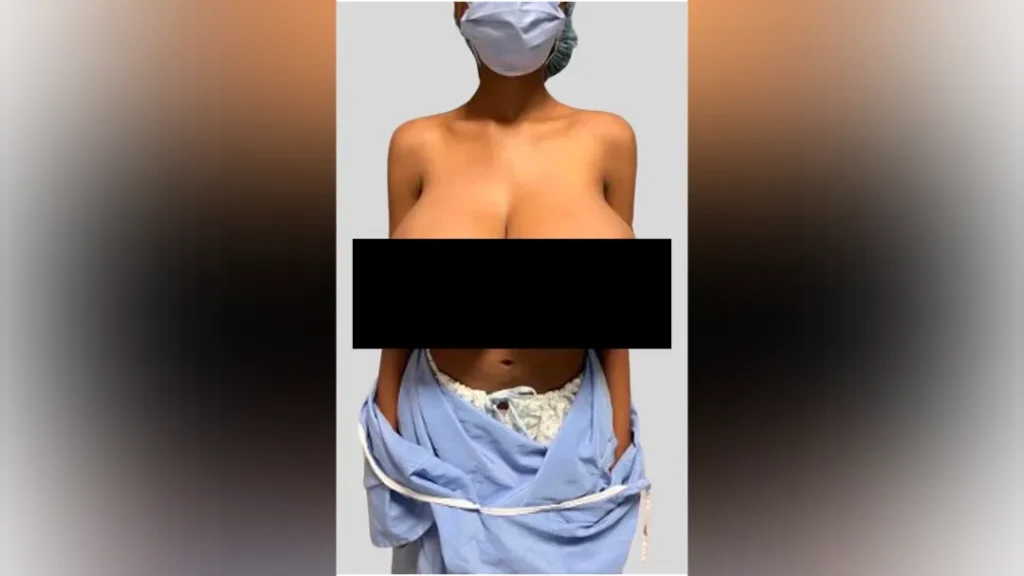
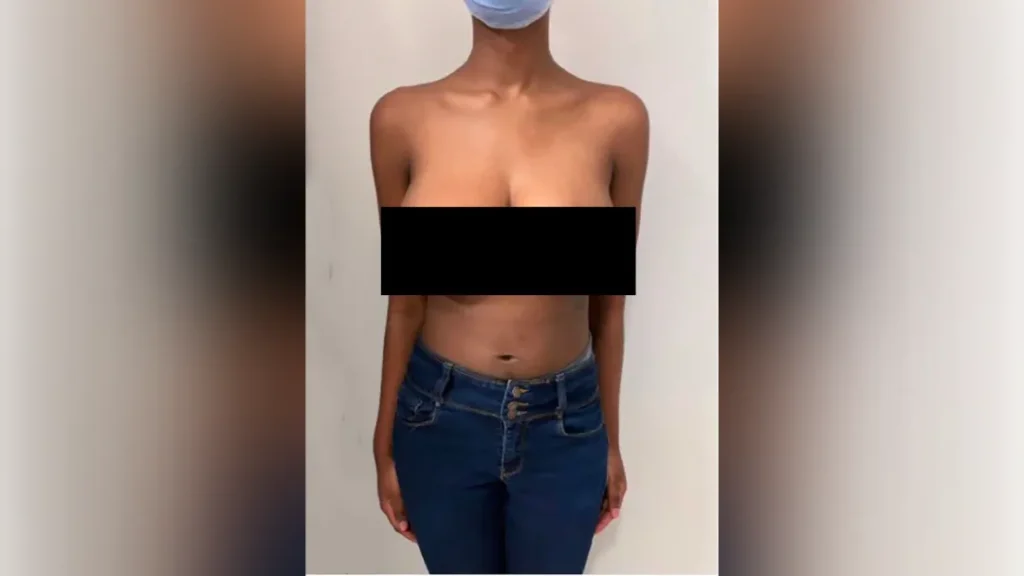
Medical Mystery Deepens
Despite undergoing comprehensive medical evaluations, doctors could not identify hormonal abnormalities or any other underlying causes for her condition. Instead, the woman’s symptoms were diagnosed as pseudoangiomatous stromal hyperplasia (PASH), a rare medical condition characterized by idiopathic growth of fibrous mammary tissue.
Researchers noted that this was the first documented case linking PASH with vaccine administration. The medical journal describing the case stated:

“This case presents a healthy young woman with rapid bilateral breast enlargement 1 week following Pfizer COVID-19 vaccine administration. After ruling out other potential causes, she underwent bilateral reduction mammoplasty, with histology revealing dense terminal duct lobular units interspersed with PASH.”
Eroding Trust in the Healthcare System
The young woman firmly believed that her breast growth was a result of the vaccine, but she felt her concerns were dismissed by her primary care physicians, leading to a growing mistrust in the healthcare system. After consultations with multiple specialists and failed attempts with medication, she ultimately opted for surgical intervention to manage the condition.
The case highlights the importance of validating patient concerns, as dismissing them may damage the therapeutic relationship between doctors and patients. The medical journal added:
“Although a temporal relationship does not establish causality, dismissing patient concerns can erode trust. Physicians should consider and value patient concerns when developing therapeutic relationships.”
An Uncharted Medical Phenomenon
PASH-associated gigantomastia is extremely rare, with fewer than 20 documented cases worldwide. Moreover, current classifications of gigantomastia fail to include PASH as a potential cause, nor do they account for the timeline of breast growth or the types of tissue involved. Researchers emphasize that revising these classifications could improve clinical decision-making and streamline treatment strategies for future cases.
This particular case underscores the need for further research to understand the etiology of PASH and to investigate any potential links between vaccines and this condition.
Just Released: Trump White House Collector’s Bobblehead!
The Patient’s Struggles and Surgical Challenges
The young woman underwent bilateral reduction mammoplasty, a complex procedure that was further complicated by intraoperative bleeding, requiring postoperative transfusions. Surgical specimens confirmed the presence of PASH, but the underlying cause remains unclear.
Researchers concluded:
“Further research is needed to understand PASH etiology, refine gigantomastia classification, and explore the potential link between the Pfizer vaccine, gigantomastia, and PASH.”
A Call for Further Investigation
While this case does not establish a causal relationship between the Pfizer vaccine and gigantomastia, it raises important questions about how medical professionals address patient concerns. This case also highlights the need for more comprehensive research into rare medical phenomena to better prepare healthcare systems for unusual outcomes.
The public’s trust in vaccines, already a sensitive issue, could further be tested as more unique cases like this come to light.

