
>> Continued From the Previous Page <<
Roman contends that since this money was returned in the form of opulent travel, there may have been a federal law breach—more precisely, “Honest Services Fraud” and a RICO crime.
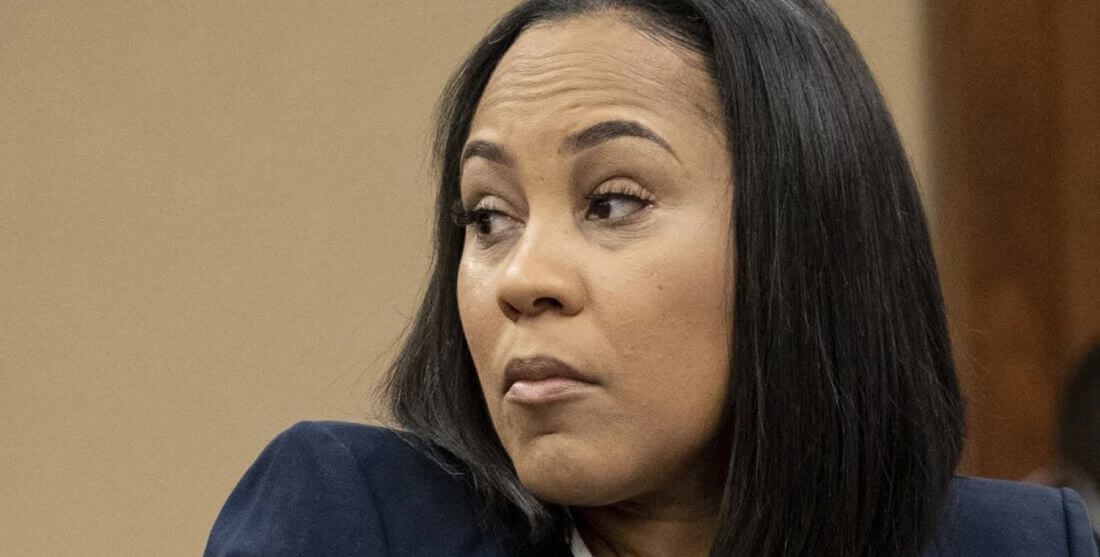
Terrence Bradley, Nathan Wade’s divorce attorney, testified on Tuesday in a cloud of rumor and controversy. His evidence, which was riddled with omissions and vague details, concentrated on the chronology of Wade’s love affair with Fani Willis. The beginning of the connection is being scrutinized because Willis’s participation in the Georgia election fraud lawsuit against Trump could be barred due to its timing.

Bradley’s integrity was severely questioned since it appeared that he might provide different accounts of the excursions that Willis and Wade were purportedly involved in.
Wade’s former legal partner Bradley was put under intense pressure to clarify the start of Wade and Willis’s connection. Bradley’s answers were characterized by conjecture and confusion, despite the ferocity of the questioning, which left the courtroom unclear.
The validity of his testimony was contested in court. “It was– I was speculating. I didn’t have a… Um… No one told me that,” Bradley confessed. “You know, it was speculation. I can’t tell you anything specific, if that’s what you’re asking.”
ALERT! Major Water Restrictions In Effect!
Intricate personal relationships existed between Willis and Wade, according to recent court documents. In February of last year, the couple formally acknowledged their connection in a court filing.
Based mostly on purported financial entanglements, Roman’s and other implicated parties’ attorneys have tried to have the participating prosecutors removed from the proceedings. They said that Wade had amassed about $700,000 since entering the lawsuit in 2021, some of which he used to finance his leisurely getaways with Willis.
But Willis insisted that their travel expenditures were divided evenly, rejecting any financial conflict and claiming that their professional judgment and their ties to the case were irrelevant. In August of last year, Trump and eighteen other defendants were accused on counts of racketeering, which was connected to purported attempts to rig many crucial states’ presidential election results.

