
>> Continued From the Previous Page <<
Individually, traits like height, limb length, shoulder width, muscle mass, and tendon stiffness may appear minor. Together, however, they create a measurable edge.
The governing body backed those findings with legal consultation before issuing a firm conclusion: “To achieve fair competition in darts, only biological females should be eligible to compete in women’s tournaments regulated by DRA Rules.”

Supporters of the move say it closes a long-running debate about whether so-called “precision sports” are immune from biological differences.
The Moment That Ignited the Debate
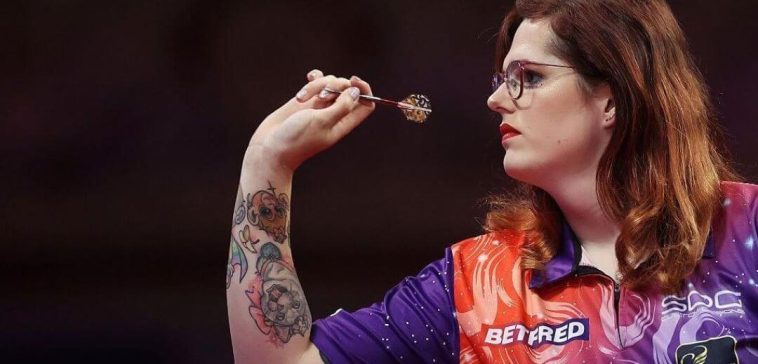
Shortly after the decision, van Leuven took to social media with a message that quickly spread.
“Apparently, I just got retired, not by choice, but because I’m no longer allowed to compete.”
“I’ve worked so damn hard for years just to get here.”
“And now, with just one decision, I’m being told I don’t belong anymore.”
“This isn’t the end. I’m just going back to the drawing board. I’m not done fighting.”
For critics of transgender inclusion in women’s sports, those statements highlight the core issue. They argue that dedication and effort, while real, do not erase underlying biological differences.
The final line of the message drew particular attention: “This isn’t just about me. This is another huge hit for the trans community.”
To many observers, that framing underscored how the issue has moved beyond sports and into broader political and cultural territory.
Female Players Who Walked Away
Long before the new rule was finalized, tensions were already building.
Two Dutch competitors, Anca Zijlstra and Aileen de Graaf, stepped away from national competition rather than continue in the same field as van Leuven.
De Graaf publicly explained that her performance fluctuates due to natural biological cycles, including menstruation, something she noted is not a factor for male-born competitors.
Meanwhile, van Leuven had already secured multiple titles in the Women’s Series across 2024 and 2025 and claimed one of the limited qualification spots for major events.
Critics argue that this situation demonstrated displacement rather than inclusion.
A Turning Point Beyond Darts
Advocacy groups have also weighed in.
Fiona McAnena stated: “Men’s physical advantages in darts may be small, but they all add up. That’s why women need their own tournaments.”
That argument now carries more weight after the governing body formally endorsed it.
Notably, the World Darts Federation had already introduced similar restrictions in 2025, making this latest move part of a broader trend.
What Comes Next
The decision could have ripple effects across multiple sports.
For years, advocates of inclusion argued that disciplines relying on accuracy rather than strength would not be affected by biological differences. This ruling directly challenges that assumption.
If governing bodies begin applying the same logic to sports like shooting or archery, the debate could escalate quickly.
For now, darts has drawn a clear line.
The bigger question is whether other sports follow or resist, and how many controversies unfold before a wider consensus is reached.

