
>> Continued From the Previous Page <<
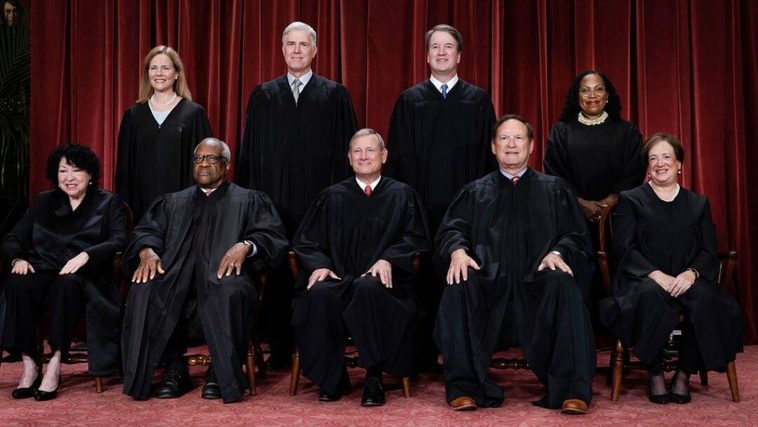
Adding to the speculation are recent health concerns that briefly brought Alito into the spotlight. Earlier this year, the justice was hospitalized for a short period, an incident that did not go unnoticed by those closely tracking the court. While no lasting issues have been publicly confirmed, the episode has nonetheless sparked quiet conversations about longevity and succession.
Despite the mounting chatter, Alito himself has remained silent. There have been no official statements, no hints, and no formal signals indicating his intentions. For now, the question of retirement remains firmly in the realm of speculation.

Still, the political implications of a potential departure are impossible to ignore. Should Alito choose to step down while Republicans maintain control of both the White House and the Senate, Trump would have a clear path to nominate a successor aligned with the court’s current conservative philosophy. Such an opportunity could prove pivotal.
With Republicans holding 53 seats in the Senate, the numbers are firmly on their side. Under current rules, Supreme Court nominees require only a simple majority for confirmation, giving the GOP a significant advantage. Even with a handful of defections, confirmation would remain within reach—allowing for flexibility in candidate selection without needing Democratic support.
At present, the court holds a 6-3 conservative majority. Replacing Alito with a younger jurist would not shift that balance immediately, but it could lock in that ideological edge for a generation. That prospect alone has heightened the stakes surrounding any potential decision.
Trump’s previous appointments reflect a clear strategy. Neil Gorsuch, Brett Kavanaugh, and Amy Coney Barrett were all selected relatively young, ensuring decades of potential influence. A similar pick to replace Alito would further cement that long-term vision.
Observers continue to point to the late Ruth Bader Ginsburg as a cautionary tale. Ginsburg chose to remain on the bench during Barack Obama’s presidency and passed away in 2020, ultimately allowing Trump to appoint Barrett in the final stretch before a presidential election. That decision reshaped the court in a lasting way and is frequently cited in discussions about strategic retirement.
Reports suggest that some within Alito’s circle have encouraged him to consider the current political climate carefully. The argument is straightforward: step down while conditions are favorable, rather than risk an unpredictable shift in power that could hand the nomination process to political opponents.
Even so, key questions remain unanswered. Alito’s personal thinking, his health outlook, and his desire to continue serving have not been disclosed. There is also no indication that formal discussions have taken place between the justice and the White House regarding a possible timeline.
Timing, as always, could prove decisive. A retirement announcement in the near future would allow for a smoother confirmation process ahead of the 2026 midterms. Waiting longer could compress that window, raising the temperature in an already divided political environment.
Traditionally, Supreme Court justices choose to retire at the end of a term, which typically wraps up in late June. Whether Alito follows that pattern—or opts for a different path—could determine not only his legacy, but the future direction of the court itself.

