
>> Continued From the Previous Page <<
Janisse Quiñones, CEO of the Los Angeles Department of Water and Power, shed light on the issue early in the crisis. She explained that low water pressure in key reservoirs severely hindered efforts to fight the Palisades fire. “The first water tank in Pacific Palisades that was tapped by firefighters held about 1 million gallons of water, but it ran out of water at 4:45 p.m. Tuesday,” Quiñones said, as reported by the Los Angeles Daily News. Additional tanks were similarly depleted by early Wednesday.
Quiñones urged residents to conserve water, acknowledging the immense strain on urban water systems. “We’re fighting a wildfire with urban water systems, and that is really challenging,” she noted.

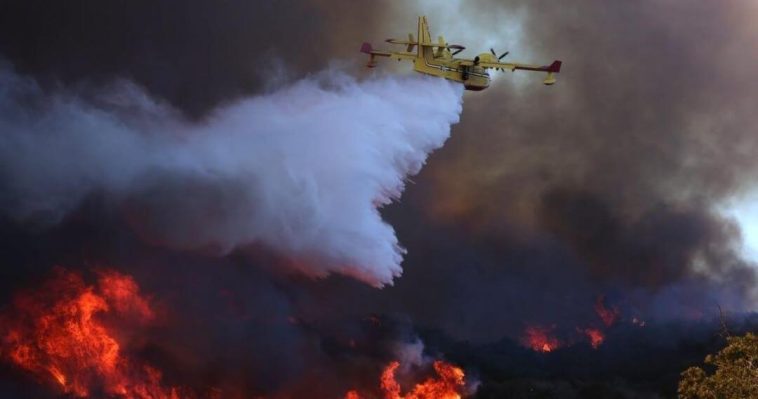
But one glaring question persists: Why wasn’t seawater—plentiful and readily available along the Pacific coast—used to supplement these strained resources?
According to experts, using seawater to fight fires poses challenges but is far from impossible. Fire scientist Michael Gollner of the University of California, Berkeley, explained that seawater and freshwater have comparable effectiveness in extinguishing flames. However, seawater can have long-term environmental consequences.
“Too much salt in the soil inhibits plant growth by making it challenging for the roots to absorb water,” Gollner said, highlighting concerns about soil salinization. Additionally, salt can corrode firefighting infrastructure, including hoses and tanks.

While these concerns are valid, the scale of destruction raises questions about prioritizing environmental risks over immediate disaster relief. As Los Angeles County Sheriff Robert Luna described, “If you haven’t been out there, it literally looks like a bomb dropped.”
With the estimated rebuilding cost ranging from $250 billion to $275 billion, the decision to avoid seawater may prove pennywise and pound foolish. As critics argue, replacing corroded equipment or addressing soil salinization seems a far lesser burden than rebuilding entire neighborhoods.
Just Released: Trump White House Collector’s Bobblehead!
Addressing soil salinization isn’t insurmountable. Techniques such as deep irrigation and gypsum application can mitigate salt buildup, as noted by a 2020 article in Purdue University’s Landscape Report. These methods are time-intensive but effective, suggesting that seawater’s long-term impact could have been managed if officials had prioritized firefighting over hypothetical concerns.
This refusal to use seawater is symptomatic of broader leadership failures that exacerbated the crisis. Critics have pointed to diversity initiatives in the Los Angeles Fire Department and questionable priorities from state and local officials, including Gov. Gavin Newsom and Los Angeles Mayor Karen Bass.
Angelenos deserve accountability. Once the flames are fully extinguished, residents and taxpayers must demand answers about why such critical decisions were delayed—or avoided altogether. As Sheriff Luna emphasized, the devastation is akin to “a bomb dropped,” and the time for excuses has long passed.
The response to these wildfires will undoubtedly be scrutinized in the coming weeks. For now, though, one thing is clear: Los Angeles needs leaders who prioritize action over optics and common sense over red tape.

