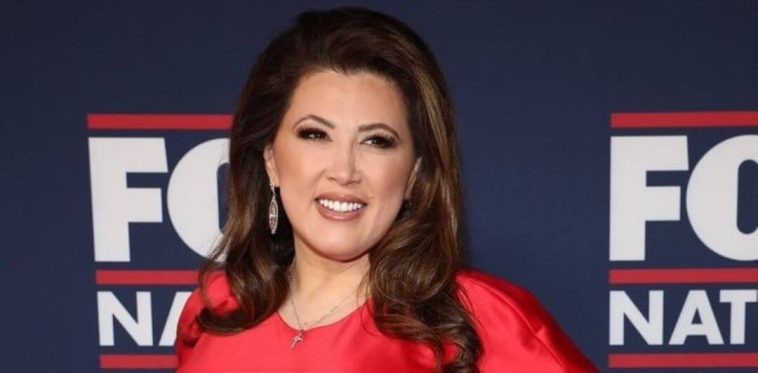
“Trump’s pick for Surgeon General, Janette Nesheiwat, praised Facebook for censoring ‘anti-vaccine’ sentiment & wanted other companies to do the same. Silencing those raising legitimate concerns about an experimental vaccine is wrong. Shame on her!”
Trump’s Surgeon General nominee Dr. Janette Nesheiwat praising Facebook for censoring “anti-vaxx” info & hoping other social networks censor people too.
Trump’s Surgeon General nominee Dr. Janette Nesheiwat praising Facebook for censoring “anti-vaxx” info & hoping other social networks censor people too.
“She praises Facebook for censoring anti-vaccine information and says she ‘hopes and prays’ that other social media platforms follow suit. This isn’t draining the swamp—it’s empowering it!”
Dr. Janette Nesheiwat supported masking kids in school. DEALBREAKER.
I never did what was popular, but what was right. Here is a compilation of videos of Trump’s Surgeon General, Dr. Janette Nesheiwat, and her stances during the COVID pandemic.
Dr. Janette Nesheiwat praised Facebook and Mark Zuckerberg for censoring individuals who questioned… pic.twitter.com/yyMW8eDgwE
Other critics, including Dr. Mary Talley Bowden and conservative commentator Viva Frei, have expressed disappointment. Frei was especially blunt:
“What Doctor Janette has said about Covid, facemasks, and the ‘vaccines’ is utterly disqualifying… She should respectfully decline the nomination, and let someone who did not contribute to the Covid crimes against humanity accept the position.”
I don’t care if Trump’s pick for Surgeon General has apologized, recanted and repented for her positions on masks, the jab, and treatment of children during Covid.
What @DoctorJanette has said about Covid, facemasks, and the “vaccines” is utterly disqualifying.
The criticism comes at a sensitive time for Trump, who is seeking to balance loyalty from his conservative base with a push to appoint officials he believes are capable of reforming public health institutions. However, the backlash underscores the deep divide within the conservative movement regarding how to evaluate leaders’ actions during the pandemic.
Adding fuel to the controversy is Nesheiwat’s apparent support from figures like Dr. Peter Hotez, a staunch advocate of vaccine mandates and one of the most divisive voices in COVID-19 policy. For many critics, this alignment serves as further proof that Nesheiwat is not the right choice.
In contrast, Robert F. Kennedy Jr., Trump’s nominee to head the Department of Health and Human Services and a vocal critic of COVID policies, notably withheld an endorsement of Nesheiwat. While congratulating other nominees, Kennedy remained silent on Nesheiwat’s selection.
Critics argue that Trump should consider alternative candidates—doctors who demonstrated early opposition to pandemic policies they deem harmful. Many point to a list of professionals who have championed early treatment protocols and fought against lockdowns and vaccine mandates. Among them are Drs. Jay Bhattacharya, Martin Kulldorff, Peter McCullough, and Pierre Kory, all of whom gained prominence for their dissenting views during the pandemic.
These doctors, often labeled as “fringe” by mainstream media, advocated for focused protection of vulnerable populations while keeping schools, churches, and businesses open. They also pushed for accessible, affordable treatments like antivirals and anti-inflammatories, often facing censorship and professional repercussions for their efforts.
As Trump faces pressure to align his administration’s health policies with the values of his base, Nesheiwat’s nomination serves as a flashpoint. Whether her past decisions will disqualify her in the eyes of the conservative movement remains to be seen, but the call for alternatives signals a clear demand for officials who reflect the lessons learned from the pandemic’s most contentious moments.